Tag:

Eye Health

Kid's vision - eye exams research

National Eye Exam Month and Important Children’s Vision Research

August is National Eye Exam month. Optometry Times claims there are five great reasons you should care about eye examinations:

  1. Proper prescription
    Your eye exam reveals if you need eyeglasses or contact lenses and what prescription will work best. If you already have prescriptive eyewear, keep in mind your vision needs tend to change as you age.

  2. Detect eye conditions
    An exam will enable your eye care professional to spot the early signs of diabetes, high blood pressure, glaucoma, and high cholesterol.

  3. Prevent conditions
    An optometrist can see early signs of diseases that may not present symptoms, such as macular degeneration or cataracts. Early detection is important.

  4. Alleviate headaches
    Visiting an eye care professional often leads to taking care of constant headaches.

  5. Improve academic performance
    Poor vision is a common reason children fall behind in school.

Speaking of children, this year, National Eye Exam month brings us an in-depth and important research compilation from National Center for Children’s Vision and Eye Health at Prevent Blindness titled, Children’s Vision and Eye Health: A Snapshot of Current National Issues.

Continue Reading
Eye Health - Coronavirus

Eye Health in the Wake of Coronavirus

During the coronavirus pandemic, it’s become common knowledge that touching your nose, mouth, or any part of your face, is a risk. 

Your eyes are an important part of the equation too. You can become infected by touching your eyes after touching something on which the virus is present.

If you wear glasses or contact lenses, obviously it’s not easy to avoid touching your eyes. In this article, we’ll look at what you should know—and try to do—to safeguard your eyes and your overall health during these unprecedented times.

Continue Reading
sleeping with contacts

Can You Sleep With Contacts? What to Know

Can you sleep with contacts in? It’s a question many ask. And in fact, half of all contact lens wearers in the U.S. have reported sleeping with their contacts in. (Source)

That’s a bad idea, in most cases.  

New innovations in contact lens materials and the growing popularity of daily and two-week disposable lenses have reduced the amount of lens-related infections. However, unlike prescription glasses, contact lenses require you to adhere to specific care instructions to avoid harming your eyes.

There are many contact lenses designed for extended wear (continual wear for up to 7 days), but considering only 5% of all contact lens wearers in the U.S. are prescribed extended wear lenses, it can be assumed that most people are risking their eye health by sleeping with their contacts.

The reason few people are prescribed extended wear lenses is that eye doctors are aware of the higher risk of infections and corneal injury. Wearing daily disposable soft contacts, where a fresh lens is used each day, virtually eliminates the chances of protein build-up and the reuse of non-sterile saline solution.

The vast majority of contact lens-related complications are self-inflicted, brought on by overwearing. So, can you sleep with contacts? That’s the question we’ll be answering. If you consistently sleep in your contacts, and they aren’t intended for that use, consider the following:

Continue Reading
macular degeneration and cataracts

Foods to Fend Off Macular Degeneration and Cataracts

11 million people suffer from age-related macular degeneration (AMD), an eye condition that can cause blurry vision or lead to a total loss of central vision. According to the American Macular Degeneration Foundation, AMD is the leading cause of vision loss in adults over 55 years old.

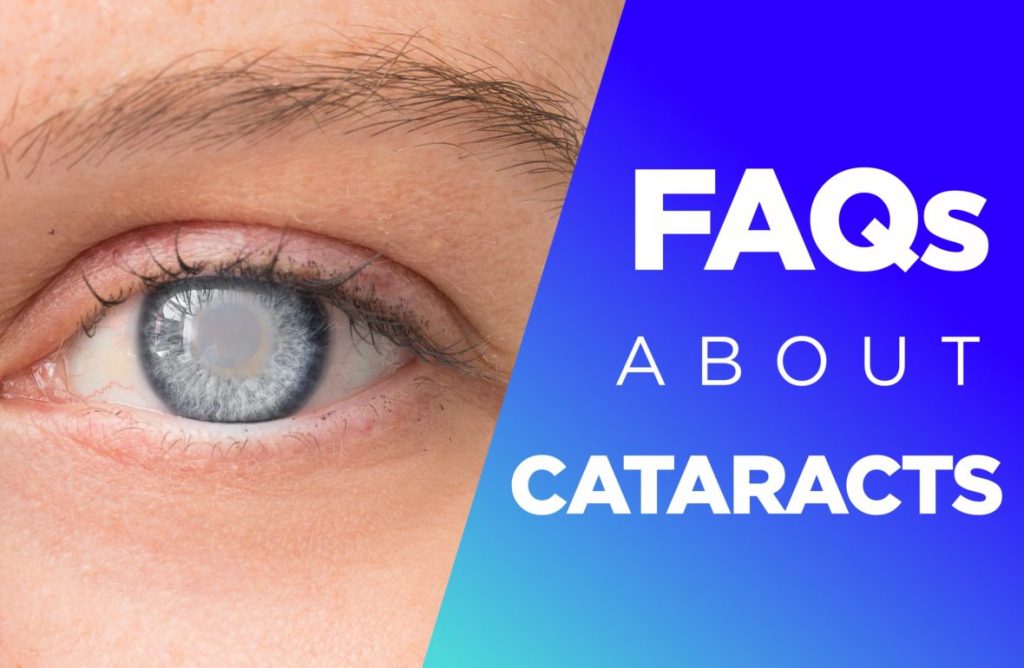
Cataracts is another common eye condition that, like AMD, affects the lens of the eye. The lens becomes cloudy and can cause your vision to become blurry, or colors can appear more muted or dull. Cataracts can also cause impaired night vision and sensitivity to light. This is another age-related eye issue and while it is possible to restore your vision through cataract surgery, there are things you can do to slow down or prevent their development.

Continue Reading
Scroll to Top