

Eye Examinations
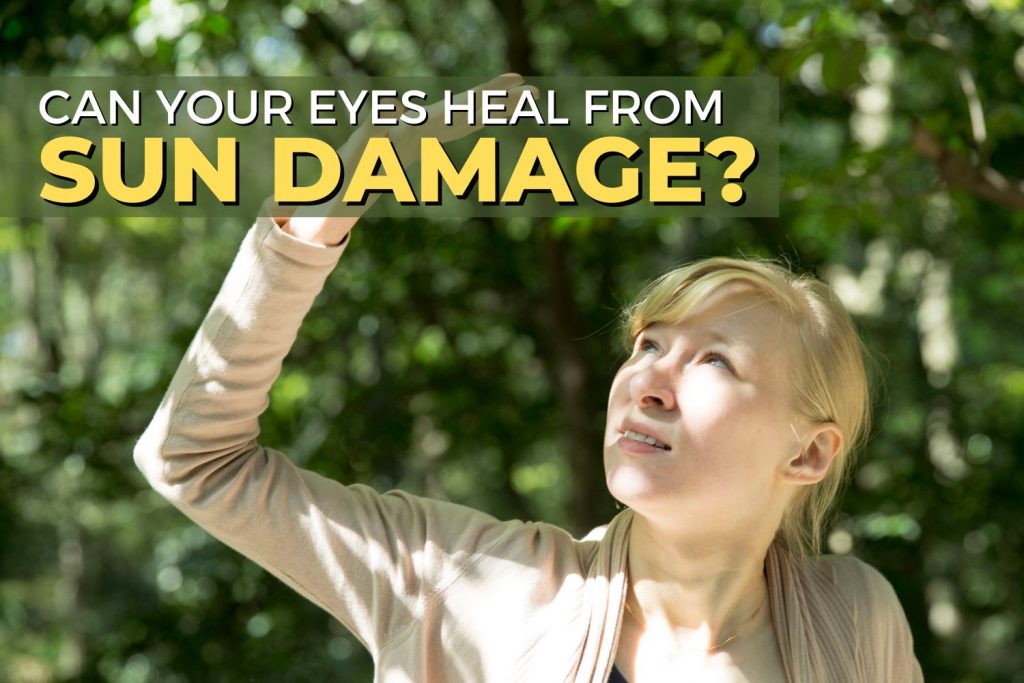
Sun Damage to Eyes: How Can You Protect Yourself?
The harmful effects of the sun’s ultraviolet rays have been well documented. However, one of the most important, but often overlooked, areas of concern is the possible sun damage to eyes.
A recent report from The Vision Council estimates nearly 35% of the adult population has experienced eye or vision damage resulting from prolonged exposure to the sun’s ultraviolet rays.
To shed light on the importance of protecting the eyes from ultraviolet rays, it’s important to understand the various types of ultraviolet rays, the serious eye conditions that can occur, and how to protect your eyes and your vision from damage caused by exposure to the sun.
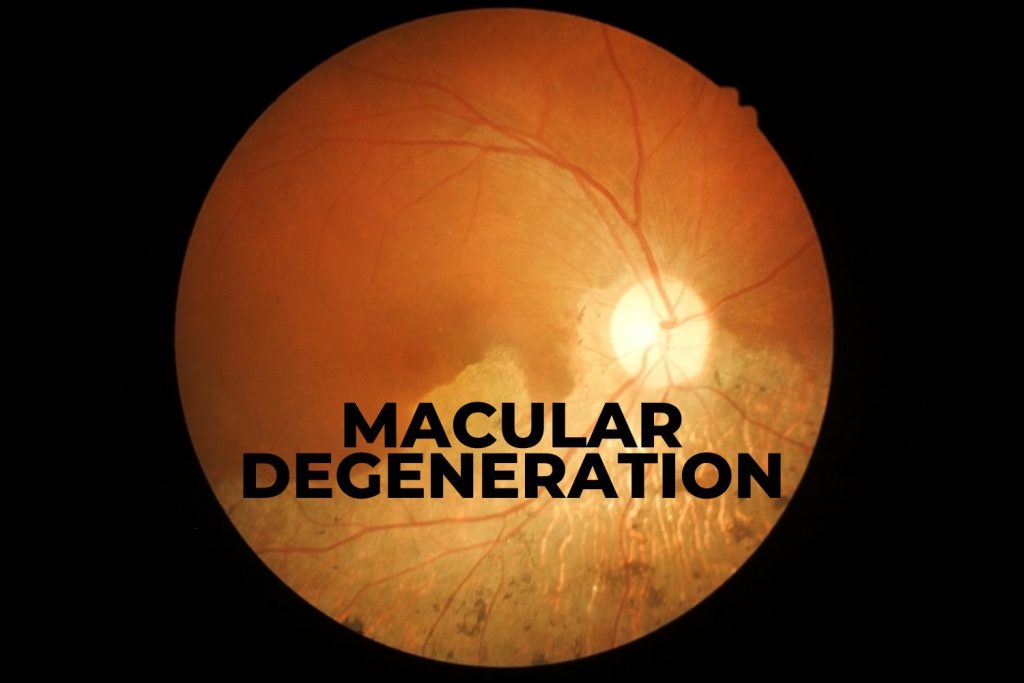
Are You at Risk for Macular Degeneration?
Age-related macular degeneration (ARMD) affects 10 million Americans each year. The number of cases is expected to rise as we are living longer.
- How do you prevent getting macular degeneration?
- If you have a family history of age-related macular degeneration, does that mean you will get it?
- Is there anything you can do to improve my sight if I currently have ARMD?
More research and funding are being dedicated to this disease than ever before, yet there is still much we do not know.

10 Systemic Diseases Diagnosed by an Eye Exam
Most people think of having their eyes checked when they experience blurry vision or want to purchase new eyeglasses or contact lenses.
You may not be aware of the many systemic diseases of the body that can be diagnosed from an eye exam. A dilated eye exam allows your eye doctor to look in the back of the eye at the blood vessels and retina to uncover signs of systemic diseases. Even if you are still seeing well, it is still important to have your eyes checked annually to make sure they are healthy.
Here are 10 systemic diseases that can be diagnosed by your doctor by looking at your eyes:
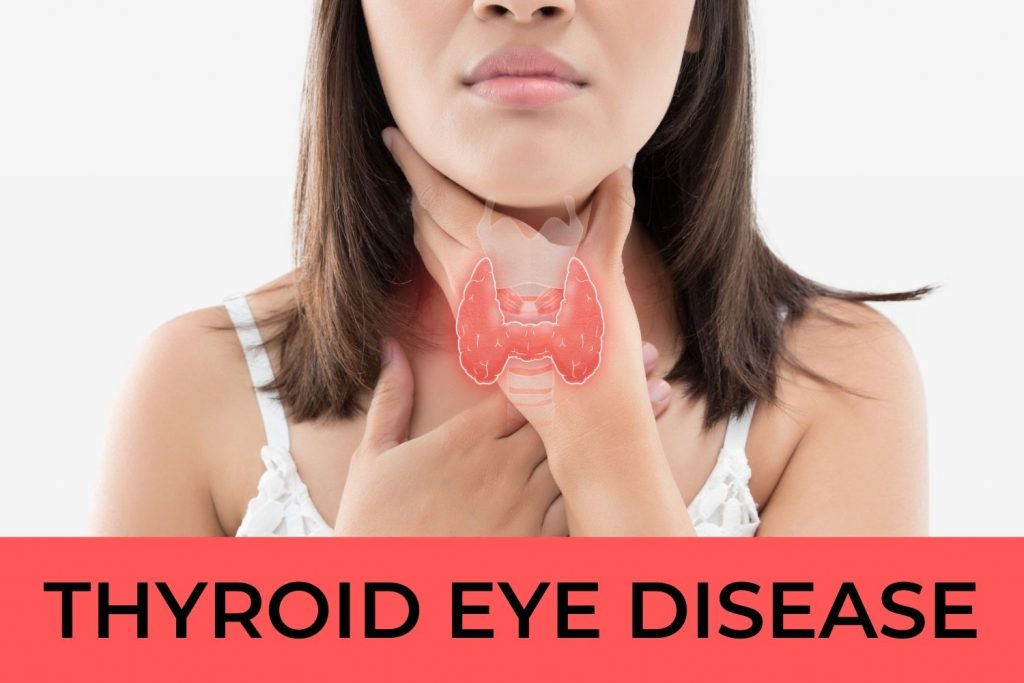
What Is Thyroid Eye Disease? What You Should Know
An estimated one out of every 100 Americans is affected by a condition known as Graves’ disease. Graves’ disease is an autoimmune disease that leads to an overactive thyroid, a condition more commonly known as hyperthyroidism. Those diagnosed with Graves’ disease are also at an increased risk of developing Graves’ ophthalmopathy, also known as thyroid eye disease (TED).
In fact, it’s estimated that one out of every four people with Graves’ disease will experience some form of TED. In addition, and according to the National Organization for Rare Disorders (NORD), TED is five times more common in women but more likely to be more severe in men.
For most, symptoms of TED usually appear within six months of the appearance of symptoms associated with Graves’ disease.