Tag:

Eye Examinations

eye pain

7 Common Eye Pain Causes: What to Know

Whether it’s a speck of dust or dirt, pollen, or maybe an eyelash that’s causing your eye to tear up, nearly everyone in the world can relate to the misery associated with minor eye irritations or discomforts. With minor eye irritation, the good news is it generally subsides after using eye drops, rinsing your eye with water, or removing the offending object. But experiencing debilitating eye pain is another story, and one that can have a not-so-happy ending—especially if you are unaware of the signs and symptoms of the leading eye pain causes.

Continue Reading
corneal abrasion

Corneal Abrasions: How To Treat a Scratched Eye

You might think there’s nothing more annoying than having something in your eye that you just can’t seem to get out—until “that something” turns out to be a scratch in your eye.

A scratched eye, or a corneal abrasion, isn’t just one of the most annoying eye injuries, it’s also one of the most common. In fact, scratched corneas are so common they account for up to nearly 10 percent of all eye-related doctors’ visits, according to the American Family Physician.

What is a corneal abrasion?

A corneal abrasion is a scratch on the cornea, the clear, protective front portion of the eye that covers the iris (the colored part of your eye).

For many, it’s difficult to distinguish between having something in your eye or having a corneal abrasion. However, as you can imagine, unlike having something like dust or an eyelash in your eye, a scratched cornea can have a serious, long-term impact on your vision and eye health, especially if the cornea is scarred while healing. So, it’s very important for you to see your eye doctor immediately if you suspect you may have a corneal abrasion.


Continue Reading
eye doctors

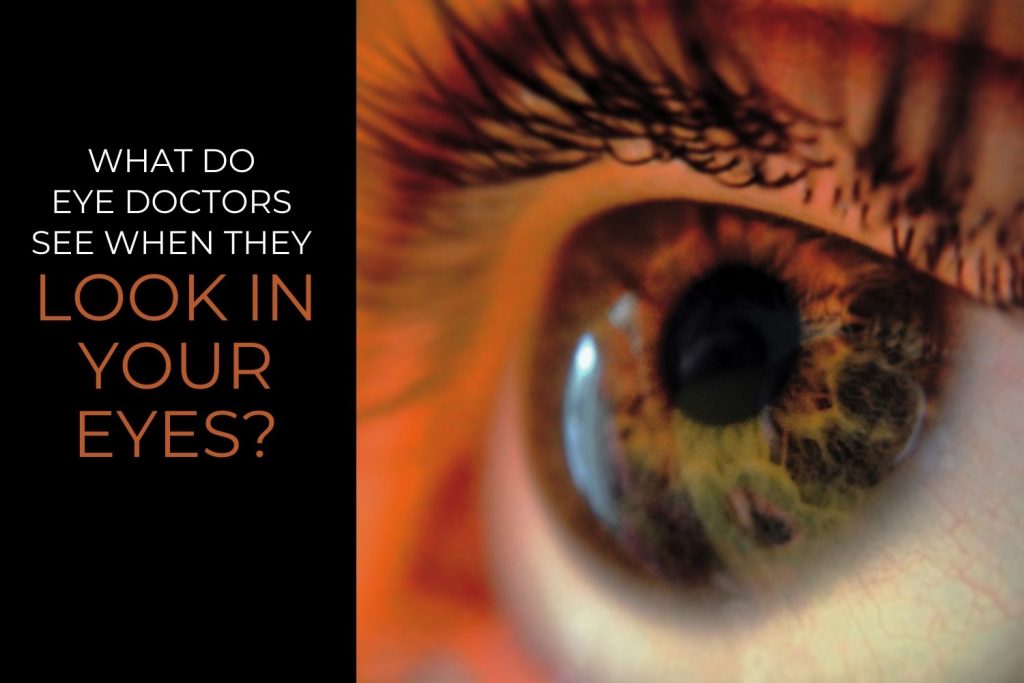
What Do Eye Doctors See When They Look In Your Eyes?

When eye doctors look into your eyes they are investigating more than just your eye color or glasses prescription.

A comprehensive eye examination can uncover many serious health conditions. In fact, your eye is one of the parts of the body that reveals a particularly large proportion of health issues.

Eye tissue is an extension of brain tissue and research is currently focused on the ability of the eye to uncover degeneration in the brain.

Your eye doctor may be the first one to recognize an issue with your general health. Check out some common diseases which might be detected at your routine eye examination.

Continue Reading
Opthamalogists, optometrists, opticians

Optometrist, Ophthalmologist, & Optician: What’s the Difference?

Have you started to notice subtle changes in your vision? Maybe you need to squint a bit when reading or perhaps you notice more frequent headaches or even some hazy, double vision while driving. If anything sounds familiar, it might be time to schedule an eye exam. But who should you see? Should you schedule an appointment with an ophthalmologist, an optometrist, or an optician?

Whatever happened to the good ole eye doctor? If you are struggling to choose the right type of specialist to visit when you are experiencing an issue with your vision, you’re not alone. Many people are confused when it comes to understanding the difference between ophthalmologists, optometrists, and opticians.

Ophthalmologists, optometrists, and opticians are all eye care professionals with a specific role in helping diagnose, treat, and care for your eyes. However, where the specialties differ is the level of training specifically required for the services provided by each type of provider.

Continue Reading
Glasses, contacts, LASIK

Glasses vs. Contact Lenses vs. LASIK: What’s Right For You?

Very few of us are blessed with 20/20 vision our entire life. In fact, according to the University of Iowa, only about 35% of adults have 20/20 vision without the support of glasses, contact lenses, or corrective eye surgery. If you’re amongst the majority, at some point you’ll need to decide how best to address your vision challenges.

Your options are straightforward: you can wear eyeglasses, contact lenses, eyeglasses and contact lenses, or opt for LASIK surgery. When it comes to vision correction, several important factors may influence the choice you make. Let’s take a look at what to consider when deciding on eyeglasses, contact lenses, or LASIK.

Continue Reading
Scroll to Top