Tag:

Eye Conditions

visual agnocia

What Is Visual Agnosia? How It Happens and How to Treat It

3,261 total views, 0 today

Agnosia is a rare condition that affects the senses. Imagine smelling a rose and not being able to place the smell. Imagine eating mom’s chocolate chip cookies, but finding out you don’t recognize the taste. 

While it’s likely you know someone who temporarily lost his or her sense of smell or taste as a result of Covid, it seems almost impossible for someone to no longer be able to look at a common object, word, or even face, and be unable to tell what or who it is. However, that’s exactly what happens when someone is afflicted by a rare condition known as visual agnosia.

Defining visual agnosia

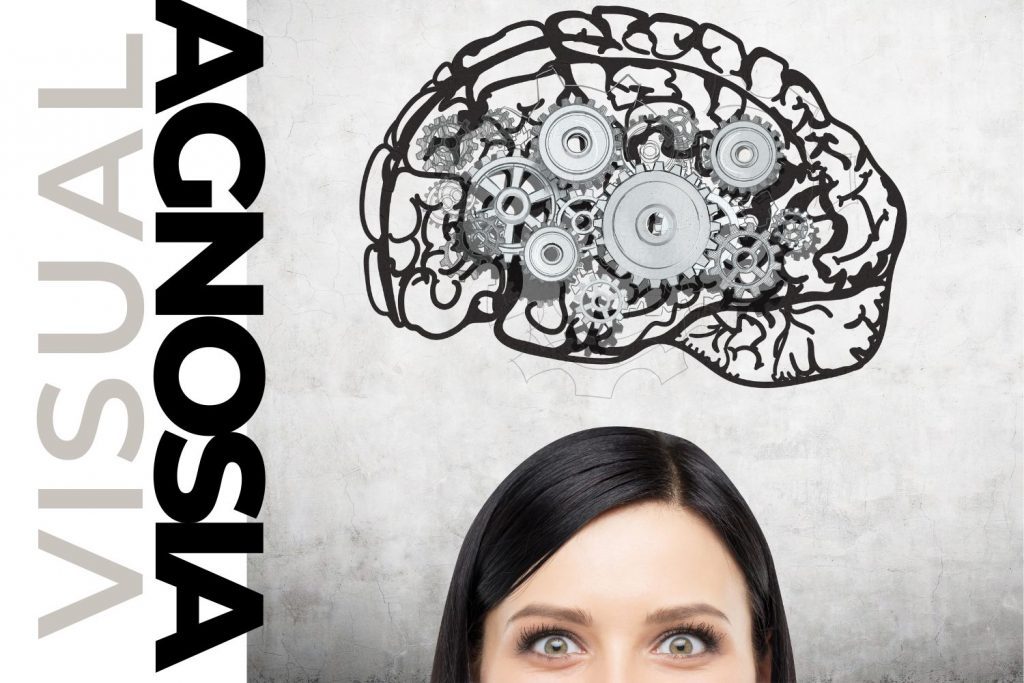
According to the United Brain Association, agnosia is a communication disorder that disrupts and impairs the brain’s ability to process sensory cues, most commonly visual and auditory cues.

Visual agnosia specifically disrupts your brain’s ability to process and understand what you are seeing with your eyes. In other words, your eyes are working correctly and as they normally would, but your brain is not.

As the medical community learns more about visual agnosia, they have come to understand there are actually several different types of the condition, including types that specifically affect your ability to recognize common objects (akinetopsia), words (alexia), colors (achromatopsia), and even familiar faces (prosopagnosia).
Continue Reading
lazy eye

Lazy Eye: Can It Be Treated?

2,832 total views, 0 today

Lazy eye is misunderstood. What does having one really mean?

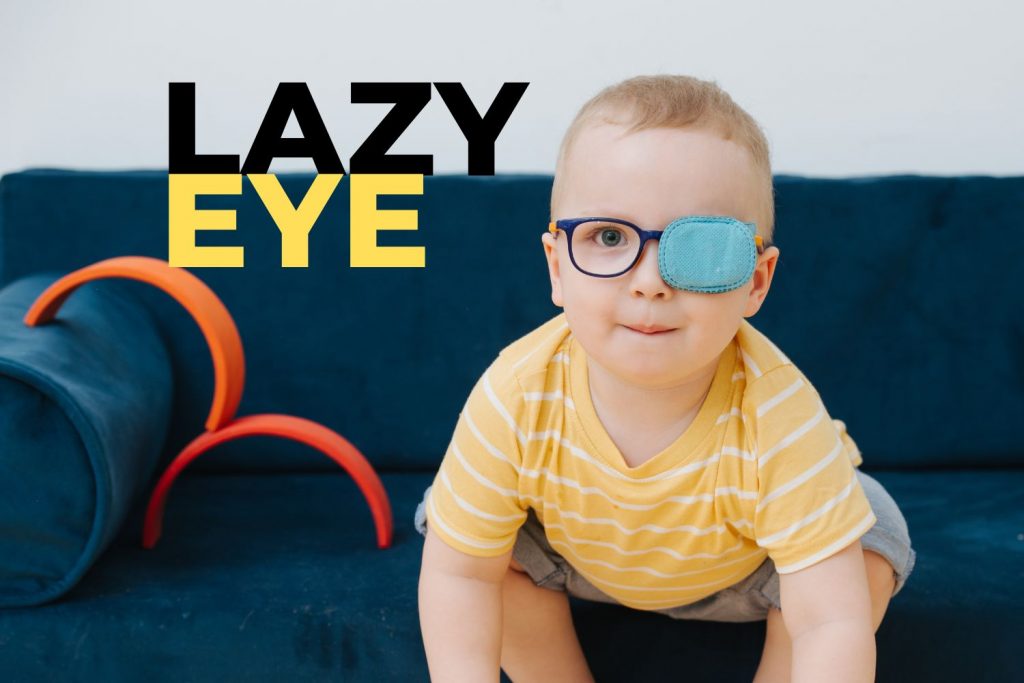
A true “lazy eye” is not an eye that is fatigued or has a high corrective prescription. The definition is an eye with reduced vision due to abnormal visual development.

Individuals with lazy eye depend heavily on their normal eye to see, while the weaker (amblyopic) eye will worsen over time from a lack of stimulation from the brain. Why is an eye considered lazy?

Lazy eye presents in only 3 out of 100 children. However, it is the leading cause of decreased vision in children. Also, understand that you are born with lazy eye. You cannot develop it later in life.

Continue Reading
Alcohol and vision

Alcohol and Eyesight: How Does Drinking Affect Vision?

3,133 total views, 1 today

Although the negative health effects of drinking alcohol have been well established, nearly 65% of U.S. adults continue to consume alcoholic beverages on a regular basis. Considering there is a direct correlation between health issues and the amount of alcohol consumed, the issue becomes more concerning, knowing that over 25% of U.S. adults report binge drinking (having six or more drinks in a sitting) in the last month. One of the serious, but rarely discussed, alcohol-related health issues is the connection between alcohol and eyesight.

In fact, regular consumption of alcohol has been directly associated with a number of serious short and long-term vision issues that range from blurred vision to damage to the optic nerve, resulting in permanent vision loss.

Continue Reading
myopia in children

Myopia in Children: How to Treat and Manage This Condition

3,321 total views, 0 today

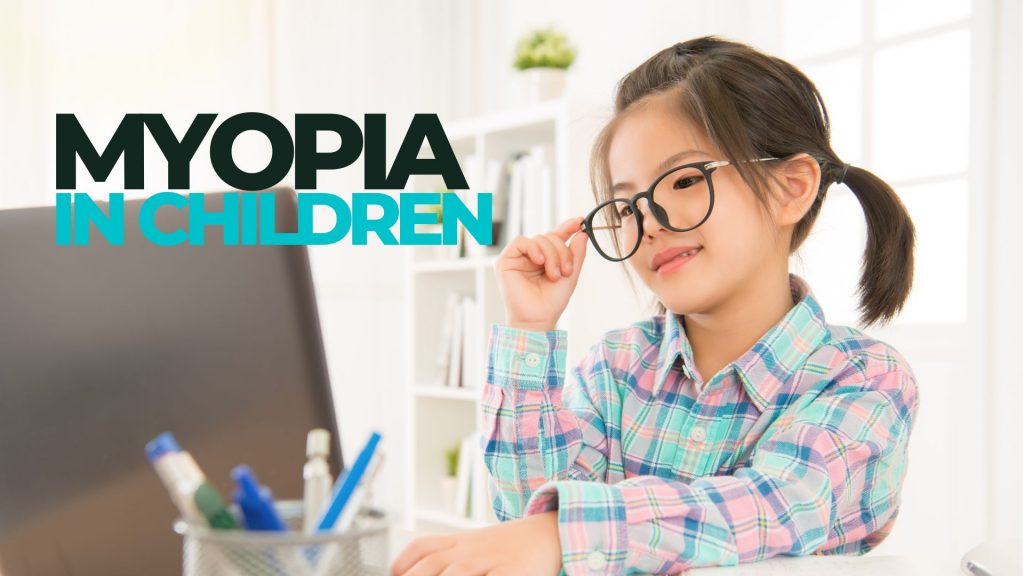
It’s that time of the year again… Time to stock up on pencils, wide-ruled notebook paper, and get your kids’ eyes checked. All kids should have their eyes checked at the beginning of each school year and prior to kindergarten. Many learning disabilities are diagnosed incorrectly and may in fact be vision problems. In particular, myopia in children is on the rise.

Estimates claim 20% of children have refractive errors and require either glasses or contact lenses to improve their vision. Myopia, hyperopia, and astigmatism are the most common refractive conditions. Additionally, lazy eye can be present in children and needs to be treated as soon as possible to prevent permanent vision loss.

Continue Reading
Scroll to Top