Tag:

Dry Eye

does-alcohol-affect-vision-featured

How Does Alcohol Affect Vision? What to Know

“An apple a day keeps the doctor away.”

Or should it be, “A red wine a day keeps cataracts away?’

Yes, really. Research has established a link between low-to-moderate alcohol consumption and reduced risk of cataract formation. Since alcohol is far more often linked to negative health effects, you might want to celebrate this one.

If you’re wondering, does alcohol affect vision, we’re breaking it all down in this guide! Here’s all you need to know.

Continue Reading
allergies and contact lenses

Allergies and Contacts: Our Top Tips for Managing Allergy Season

Most people consider spring to be when allergy season strikes. Tree pollen hits hardest come early spring, but is then followed by grass pollen in the late spring, weed pollen in the summer, and ragweed pollen in the late summer and deep into fall. And, according to Purvi Parikh, MD, an allergist and immunologist with Allergy & Asthma Network, it’s always allergy season because, in addition to lengthy pollen seasons, year-round offenders include dust mites, mold, and pet dander. Allergies are especially hard on contact lens wearers. Allergies and contacts can be a tricky mix. 

It’s bad enough that you wake up and your eyes feel gritty, swollen, and itchy. Then you have to put in your contact lenses. Ouch. 

According to the American Optometric Association, there are approximately 45 million contact lenses wearers in the United States. Many cease wearing contact lenses due to seasonal allergies. Some stop only temporarily, while others throw in the towel and give up on wearing contacts.

But you don’t have to. Understanding the symptoms and treatment options available can bring relief and help you weather allergies and contacts issues.

Continue Reading
dry eye syndrome

What is Dry Eye Syndrome?

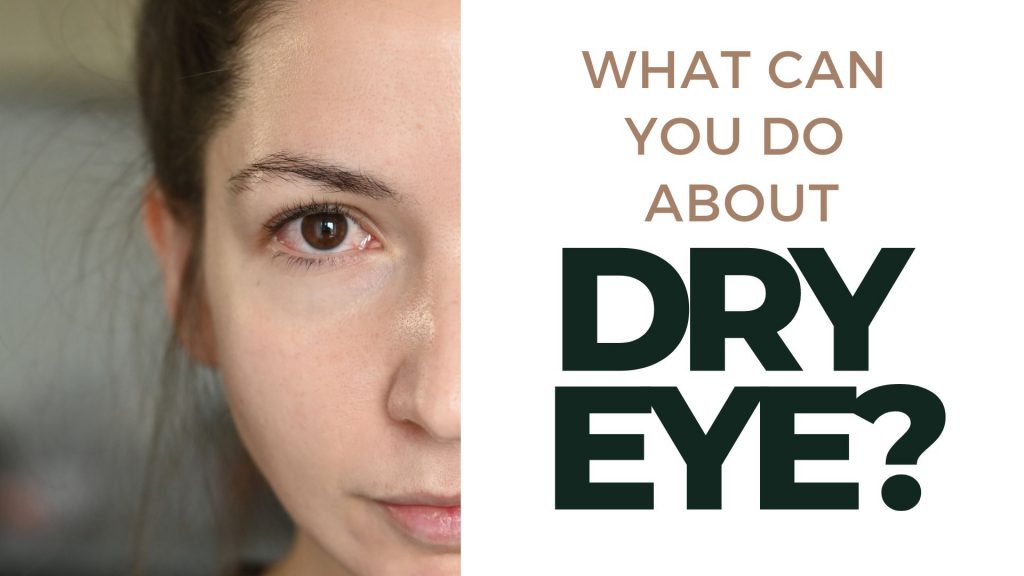
According to the American Optometric Association (AOA), dry eye is a diagnosis with which a person has inadequate tears available to lubricate the eye.

Tears comprise a mixture of water, fatty oils and mucus that maintain the smoothness and clarity of vision while preventing the risk of eye infections. When the tear ducts do not provide the regulation of tear lubrication, patients experience constant irritation, burning, excessive tearing and blurred vision. With each blink of an eye, tears provide nourishment across the entire surface of the cornea and wash away foreign matter.

Continue Reading
Scroll to Top