
There’s an elephant in the room, and if you’re here, you likely know what it is …
Is EZContacts legit?
After hearing all the hype, it’s natural to wonder if it’s all too good to be true. Get ready—we’re about to separate fact from fiction!

There’s an elephant in the room, and if you’re here, you likely know what it is …
Is EZContacts legit?
After hearing all the hype, it’s natural to wonder if it’s all too good to be true. Get ready—we’re about to separate fact from fiction!
Colored contacts provide an easy and inexpensive way to change your look without a huge or permanent commitment. With the choices available these days, finding a pair that meets your needs should be a piece of cake! But can you trust the quality?
New products often hit the market, but they don’t all undergo rigorous testing, making it tough to know which ones to trust. Let’s review some safety suggestions and brand recommendations so you can select cheap colored contact lenses that flatter your eyes without unnecessary risks.
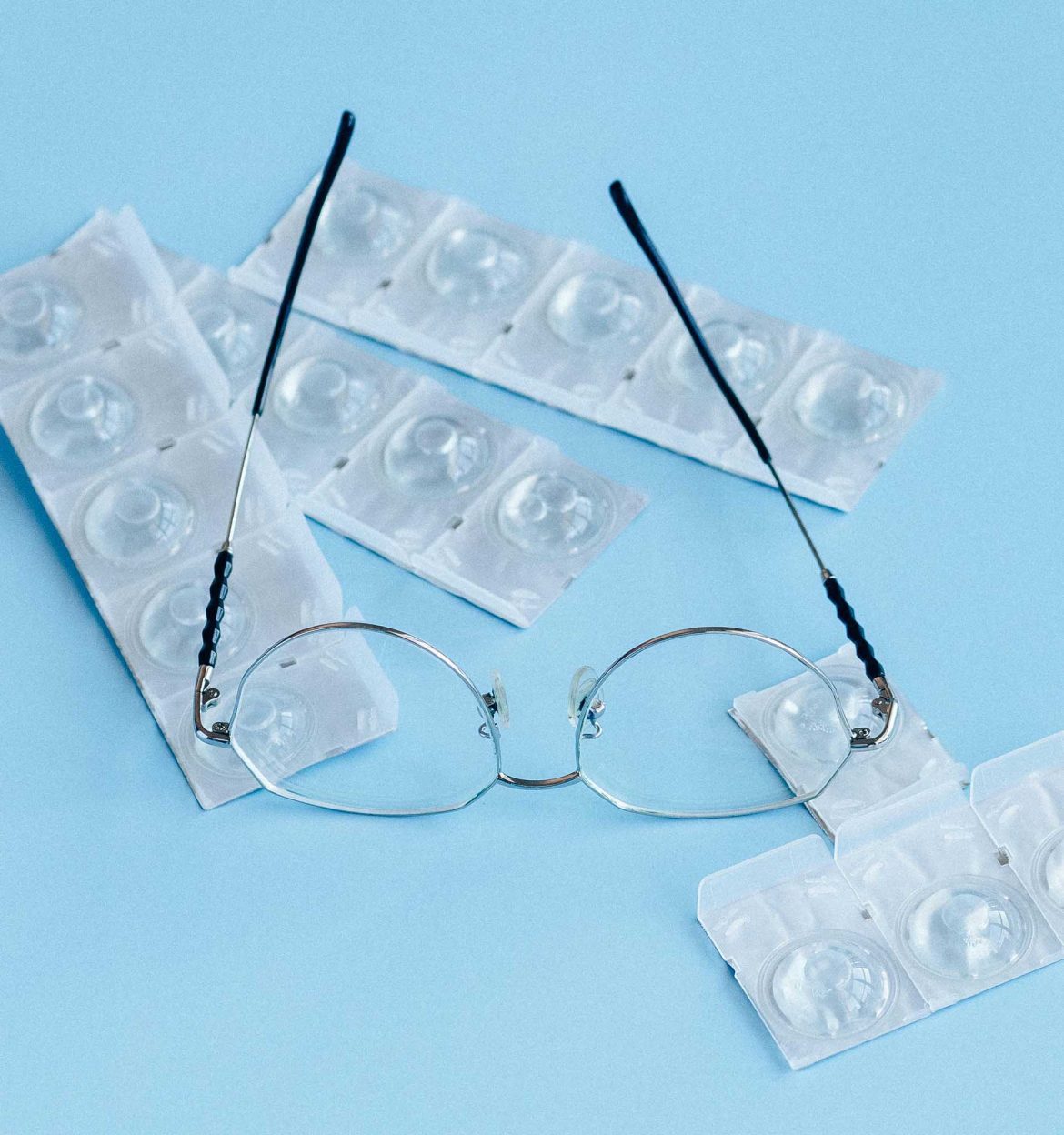
With so many brands and types to choose from, the best daily contacts aren’t always just a few blinks away. You can opt for ultra-hydrating, budget-friendly, or environmentally safe. There’s also UV protection, hydration, and breathability to consider.
The decision might seem overwhelming at first, but you’re in luck! Contact lenses happen to be right in my wheelhouse, and I’m here to help! Read on for my picks of the best daily lenses on the market in 2025, plus advice on finding the right fit.
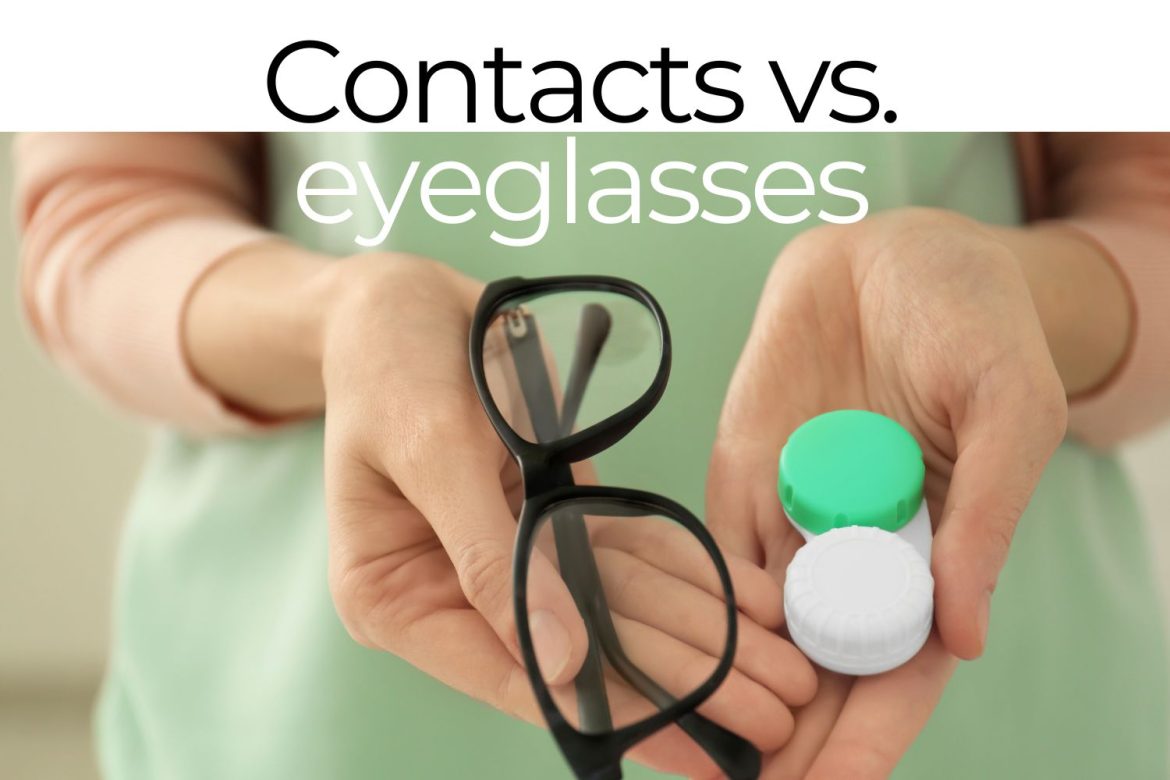
Eyeglasses and contact lenses are the two most common options for vision correction. Both offer unique optical properties, and come with practical advantages, and disadvantages that may affect how they suit your lifestyle and purchase decisions.
Understanding the differences can help you make a better decision about your vision correction needs, so let’s drill down now…
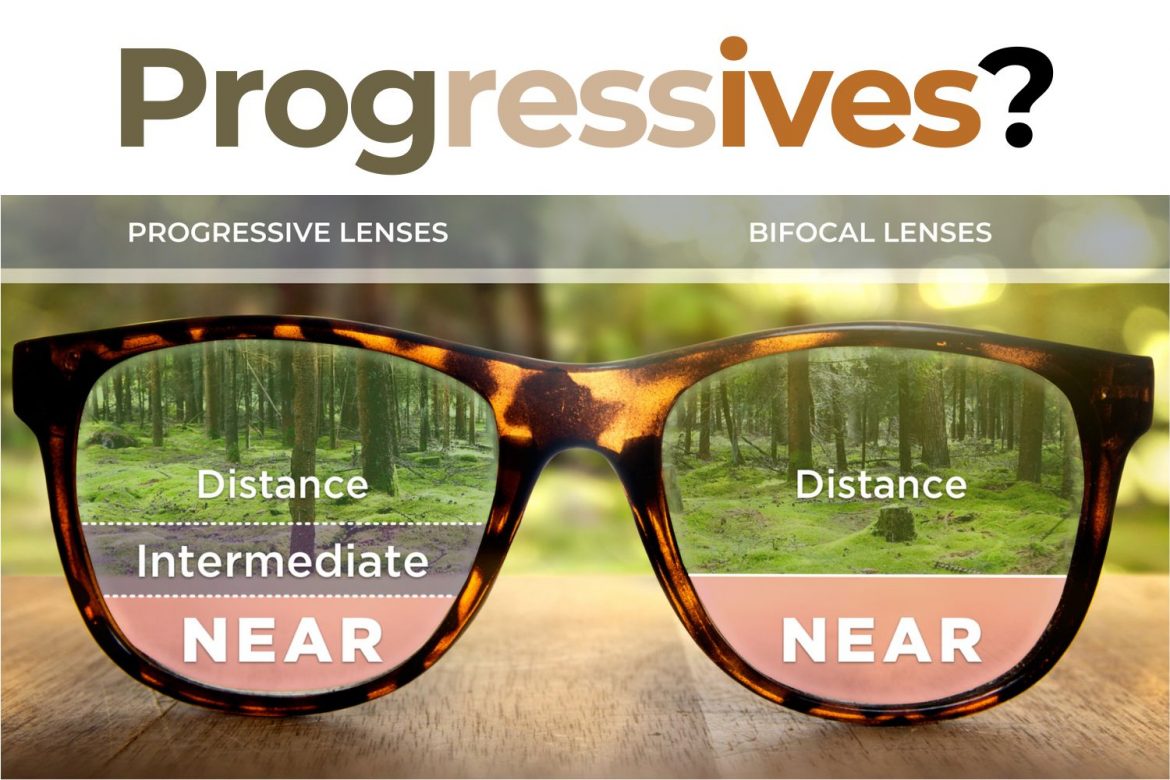
What are progressive lenses? It’s a question many contact wearers ask. Progressive lenses, also known as multifocal lenses or PALs (progressive addition lenses), are a type of lens designed to provide clear vision at multiple distances without the need for separate pairs of glasses.
PALs are primarily used to treat presbyopia, an age-related condition that affects the eye’s ability to focus on up-close objects. Progressive lenses provide a smooth and seamless transition between different prescription strengths within a single lens.
Unlike traditional bifocal or trifocal lenses, progressive lenses do not have visible lines separating the different prescription strength zones. Instead, the lenses gradually change in power from the top (distance vision) to the bottom (near vision), with intermediate powers located in between.
The lens is divided into three parts:
Read on to answer the question of what are progressive lenses, and to learn all about these lenses!
