Category:

SEE WELL

night vision

How to Improve Night Vision: Our Top Tips to Try

3,195 total views, 0 today

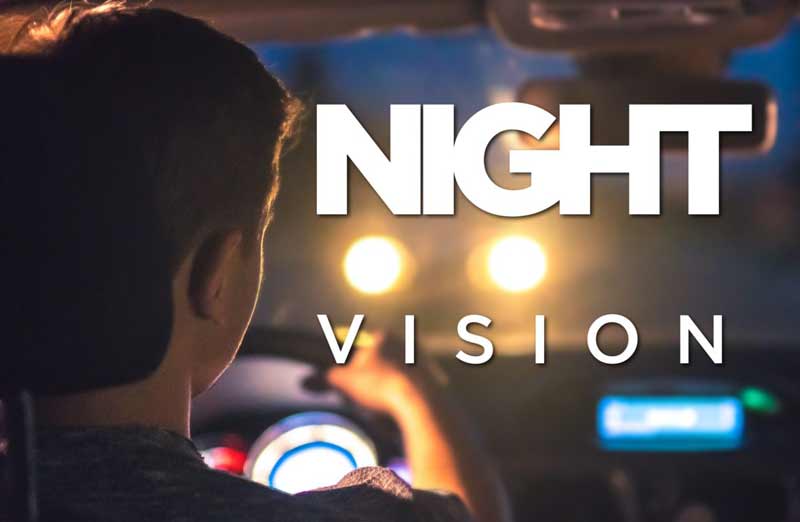
As a kid, I remember wanting to be like Superman. Ah, to be faster than a speeding bullet and more powerful than a locomotive. But the one superpower I really wish I had now is night vision!  

If you’re over 40, there’s a good chance you know exactly what I’m talking about. As we age, and especially after 40, the lenses in our eyes start to change, which affects our ability to see clearly, especially at night. In fact, people in their 50s generally require twice as much light to see well in the dark as someone in their 30s, according to the National Safety Council.
Continue Reading
cataracts FAQs

Cataracts in Eyes: Your Top 10 Questions Answered!

3,576 total views, 0 today

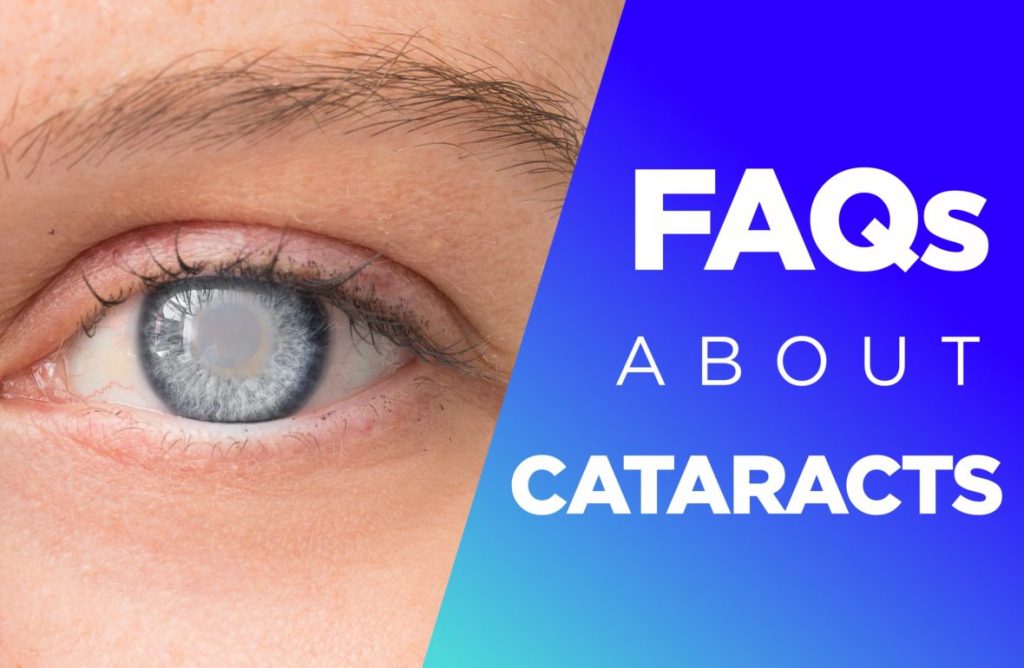
Are you becoming more sensitive to light and challenged by glare? Experiencing changes in your vision? You may be developing cataracts in eyes.

You’re not alone. The National Eye Institute estimates 50 million Americans will be living with cataracts by 2050.

Following are frequently asked questions about cataracts, and of course, the answers.

Continue Reading
Contact lenses for Presbyopia

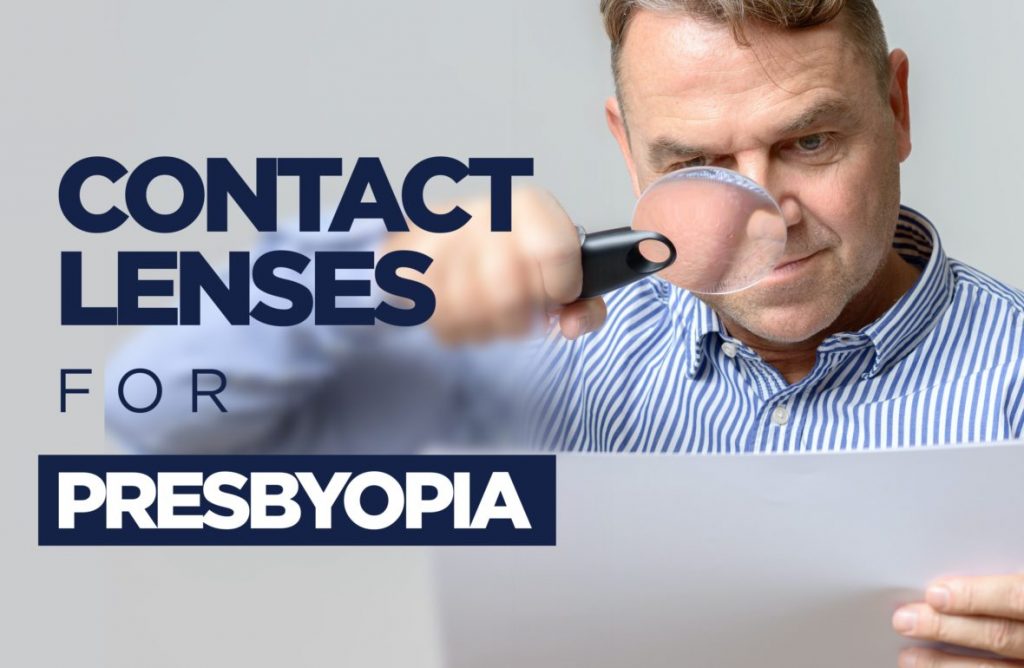
Contacts for Reading: How to Tackle Presbyopia and Improve Vision

4,511 total views, 3 today

Remember the first time you put your contact lenses in? Ahh… love at first sight, right? You could suddenly see fabulously and felt great about not having to depend on glasses. But something’s changed, that is, your vision. Your contact lenses no longer provide the correction you need to clearly see objects both near and far. Chances are, you’re now dealing with presbyopia, and what you really need are contacts for reading.

Presbyopia is a declining ability to focus on close-up objects. When trying to read something with small type—say a restaurant menu, food package, or phone—you begin by stretching your arm further away to focus.

Presbyopia is an inevitable (but unenviable) change you’re bound to begin noticing sometime in your 40s.

Not so long ago, you had only one option to correct the problem: reading glasses. Today, you do have options. So, if you favor contacts, you need not get discouraged and trade them in for glasses.

Today, a range of contact lens options is available that deliver vision correction for different focal lengths.

Continue Reading
heart-eye connection

The Eye Cardiac Connection: How Does Your Heart Affect Eyes?

3,424 total views, 0 today

We know the eyes are the window to the soul, but did you know they are also the window to your health, specifically your cardiovascular health? There’s an eye cardiac connection that researchers are starting to study more and more. New research published in the American Journal of Medicine recently found a distinct correlation between the health of your eyes and the health of your heart.

Specifically, researchers found that approximately half of the nearly 2.2 billion cases of vision impairment worldwide could be improved, or even prevented, by taking simple steps to improve your overall cardiovascular health.

In addition, doctors have learned that a regular annual eye exam is the most reliable, non-invasive way to identify a number of serious—often fatal—cardiovascular conditions such as high blood pressure, high cholesterol, and diabetes.

Continue Reading
adjusting-V2

Adjusting To New Glasses: 6 Common Concerns

71,052 total views, 1 today

If you wear glasses, you know there’s nothing better than replacing your old, outdated lenses with an up-to-date prescription and a stylish new pair of frames.

We all know the drill: you get your eyes checked, get a new prescription, choose your frames, and wait a week or so for your new specs to arrive. You get the call, pick up your new glasses, slide them on expecting to see the world in all its crystal clear brilliance…. But woah! Something doesn’t seem quite right.  

The truth is new glasses, especially with new prescriptions, don’t always produce the expected outcome right away. It’s actually quite common to experience an adjustment period.

In other words, the new glasses that are designed to help you see better, reduce headaches, and improve your eyes’ stamina and ability to focus can actually produce the opposite effect—at least initially. It’s common to feel like you are wearing the wrong prescription.

DON’T PANIC! 

We’ve researched the topic to shed some light on the most common concerns of eyewear patients who are getting used to new glasses and answered the most common questions about adjusting to new glasses.

Continue Reading
Scroll to Top