Category:

SEE WELL

Sight and sunlight

Does Sunlight Contribute to the Health of Your Eyes?

3,028 total views, 0 today

Like any other part of your body, your eyes require proper care and nourishment to maintain optimal health.

While we often associate sunlight with its effects on our skin and our overall well-being, its impact on eye health is equally significant, and surprisingly, not always in a bad way. Sunlight provides several benefits for the health of your eyes. In many cases, the right amount of exposure to natural light can enhance vision, prevent eye conditions, and promote overall ocular health.
Continue Reading
types of eye surgery

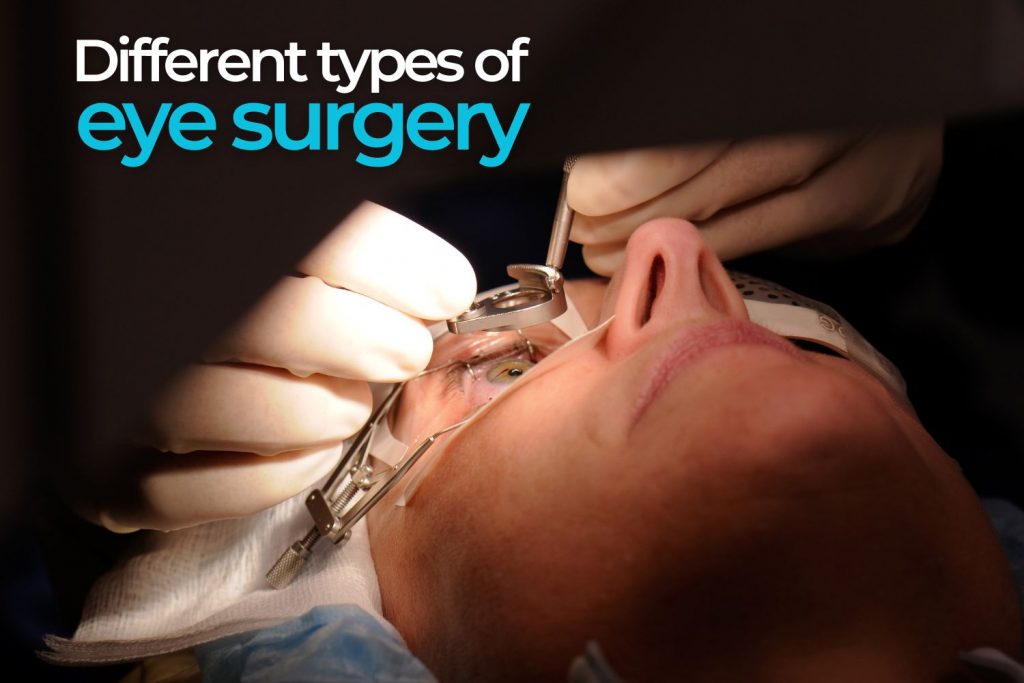
Types of Eye Surgery: 5 Procedures to Know About

3,865 total views, 0 today

A variety of conditions can impact the health and functionality of our eyes, such as cataracts, glaucoma, and refractive errors. In some cases, your doctor may recommend a surgical procedure to address these issues and to improve vision. As surgical procedures continue to advance, it helps to understand each of the different types of eye surgery, their specific purpose, and what to expect during and after each of the procedures.

Continue Reading
preventing eye strain

9 Tips for Preventing Eye Strain While Reading 

2,986 total views, 1 today

There’s nothing quite like curling up with a great book. On the other hand, there’s nothing quite as frustrating as not being able to finish your current chapter because your eyes are strained, watery, and feeling tired and achy. Eye strain, also known as computer vision syndrome, is a widespread issue that often affects those who spend long hours reading or working on computer screens.

According to the American Optometric Association, an estimated 60% of American adults report experiencing eye strain on a regular basis. The same report found that over 80% of children aged 10-17 also report frequent symptoms of eye strain, but most often after extended use of a digital device.

Continue Reading
Peripheral vision

Peripheral Vision Loss: Causes and Treatments

3,429 total views, 0 today

When you first learn to drive, you are taught to use your peripheral vision to check your mirrors and blind spots, but what exactly is peripheral vision? 

What are the limits to a human’s peripheral vision? If you notice changes in your peripheral vision, is your eye or your brain affected? Most importantly, what types of eye disease or brain conditions result in a loss of peripheral vision?

Continue Reading
Scroll to Top