Author:

Michael Healy

Thyroid eye disease

What Is Thyroid Eye Disease? What You Should Know

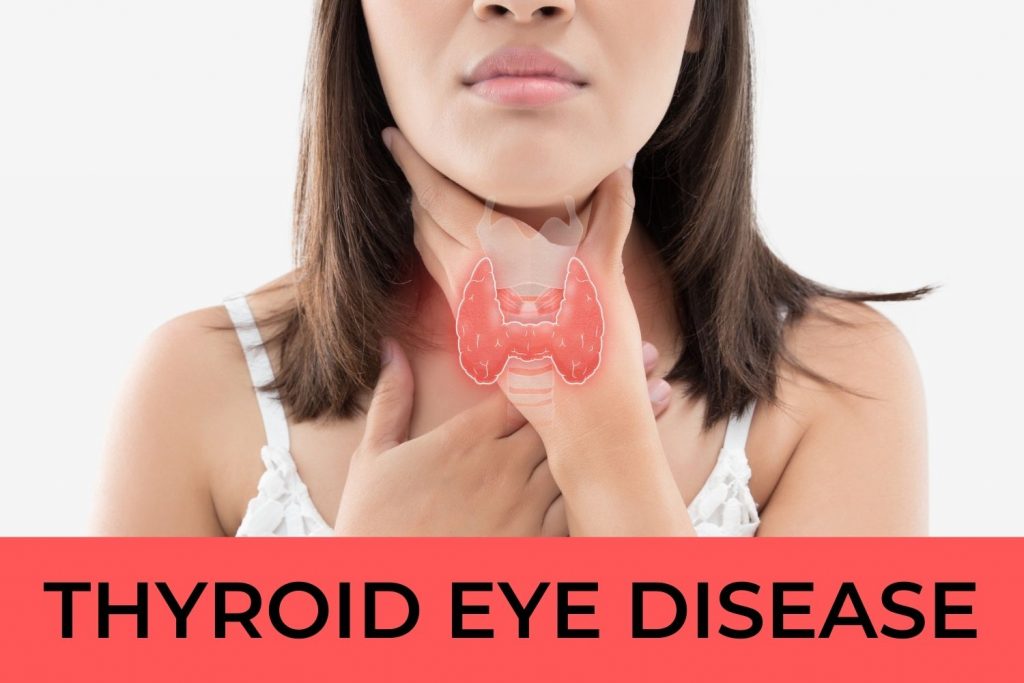
An estimated one out of every 100 Americans is affected by a condition known as Graves’ disease. Graves’ disease is an autoimmune disease that leads to an overactive thyroid, a condition more commonly known as hyperthyroidism. Those diagnosed with Graves’ disease are also at an increased risk of developing Graves’ ophthalmopathy, also known as thyroid eye disease (TED).

In fact, it’s estimated that one out of every four people with Graves’ disease will experience some form of TED. In addition, and according to the National Organization for Rare Disorders (NORD), TED is five times more common in women but more likely to be more severe in men.

For most, symptoms of TED usually appear within six months of the appearance of symptoms associated with Graves’ disease.
Continue Reading
diabetes and your vision

How Diabetes Can Damage Your Vision

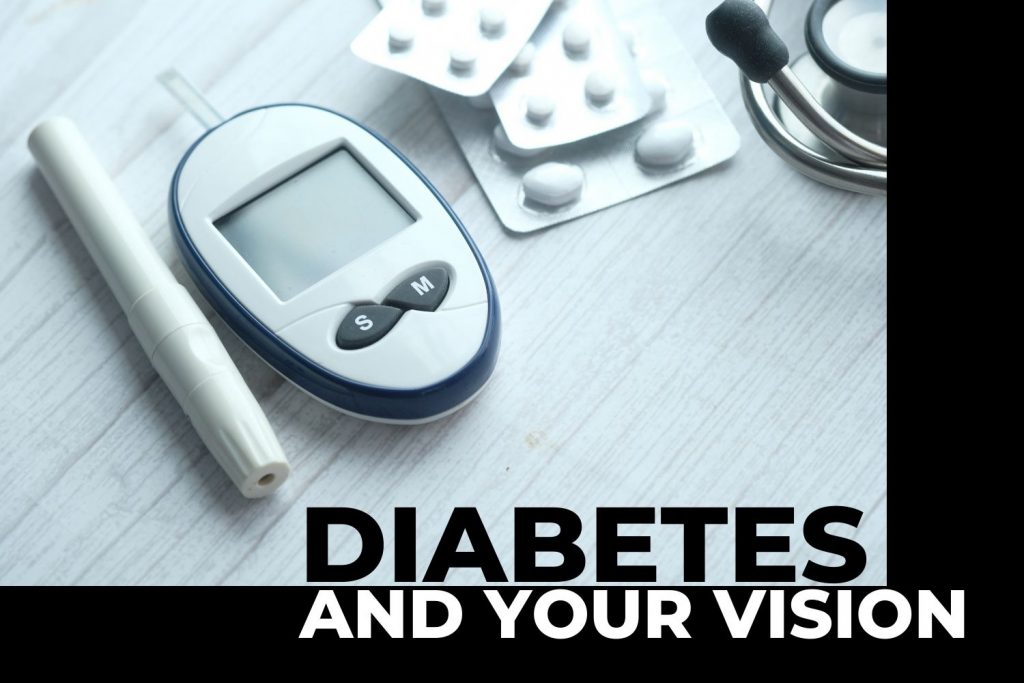
According to the American Diabetes Association, diabetes is the leading cause of vision loss in adults aged 18-64.

Contributing to a number of serious eye issues, including diabetic retinopathy, macular edema, cataracts, and glaucoma, diabetes slowly causes damage to your vision and can ultimately lead to blindness.

Fortunately, research has shown that managing your diabetes and getting regular eye exams are very effective in preventing vision loss and protecting your eyesight.

Continue Reading
vision myths

10 Common Eyesight Myths Debunked!

There are so many eyesight myths that we hear as kids: “Don’t sit too close to the television. You’ll go blind!”… “Turn on the light when you read. If you don’t, you’ll go blind!”… “Don’t cross your eyes, they’ll stay that way and you’ll go blind!” 

These classic bits of eye health wisdom still ring clearly in my ears.

Unfortunately, I sat way too close to the tube, I read in the dark more often than not, and my friends and I probably spent a collective week of our lives looking at each other through crossed eyes… and guess what? My eyes didn’t stay crossed and, believe it or not, I didn’t go blind! 

Fortunately, none of these timeless words of eye health advice shared for years by millions of mothers around the world have turned out to be true.

So where did these crazy eyesight myths—and the many others we’ve heard over the years—come from?  And more importantly: are any of them true, or are they all wise tales and myths?

Here are the 10 most common eyesight myths and my attempt to use facts and research to effectively debunk each.  I’ll start with the three mentioned above.

Continue Reading
tired eyes

How to Look Less Tired: 4 Tips to Refresh Your Eyes

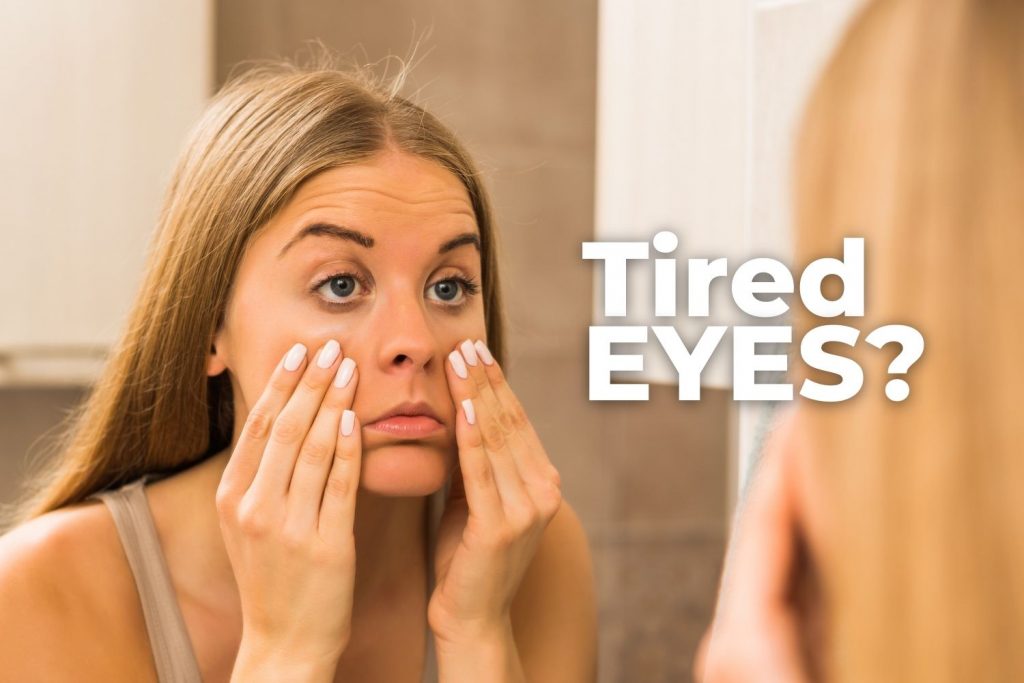
Believe it or not, lack of sleep has been classified as an epidemic by the CDC. In fact, the issue is so widespread that over 110 million Americans, more than 33% of the population, report not getting enough sleep each night. Sleeping less than seven hours per day is associated with an increased risk of developing a number of dangerous health conditions, including obesity, diabetes, and heart disease. In addition, it’s one of the leading causes of why your eyes look swollen, strained, and just plain tired. Because of that, many people wonder how to look less tired every day.

Chronic lack of sleep, or just staying up too late too often, aren’t the only contributors to tired or swollen eyes. Allergies, the common cold, and eye strain have also been known to give your eyes that “been up too long” look.

Let’s take a look at two of the most common signs of tired eyes and learn how to look less tired and more refreshed!

Continue Reading
contacts for kids

Contact Lenses for Kids: Are They Safe?

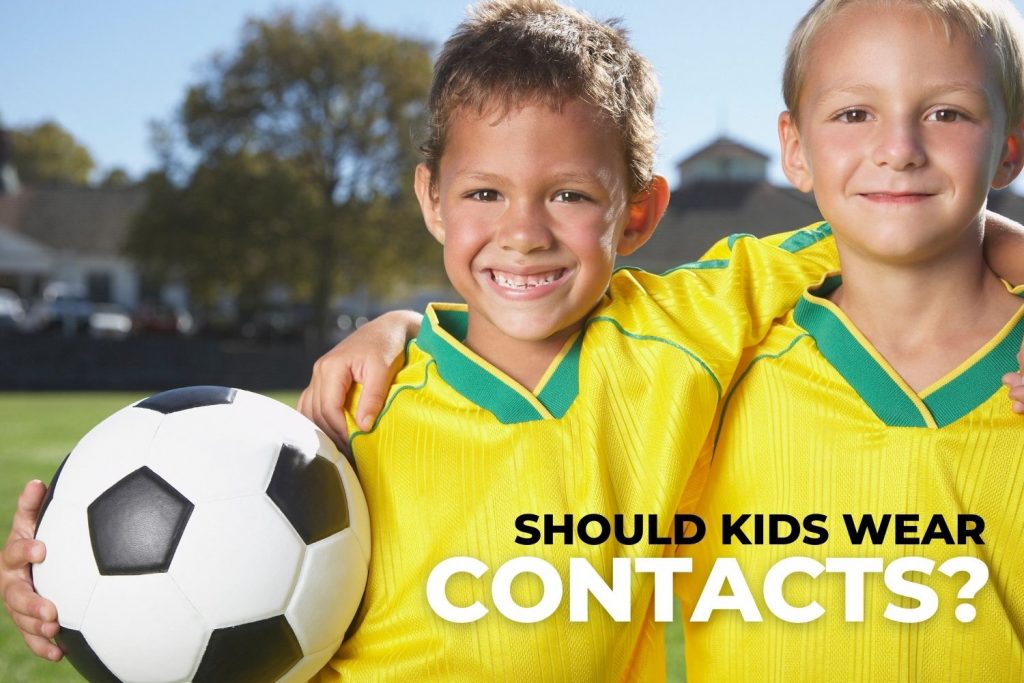
“I broke my glasses… again.” It’s the dreaded phrase heard by parents of glasses-wearing kids everywhere. In an effort to eliminate the inconvenience of lost and broken eyeglasses, many parents are considering contact lenses for kids, but at the same time, are unsure if wearing contact lenses is a safe option.

A lot of research shows contact lenses are not only safe for kids, but in some cases, can also help to correct vision and slow the progression of myopia.  

However, just because contact lenses are safe for children, it doesn’t mean contacts are the right option for all kids. This article examines the research behind the safety of contact lenses for children, and considers the pros and cons.

Continue Reading
Scroll to Top