Author:

Michael Healy

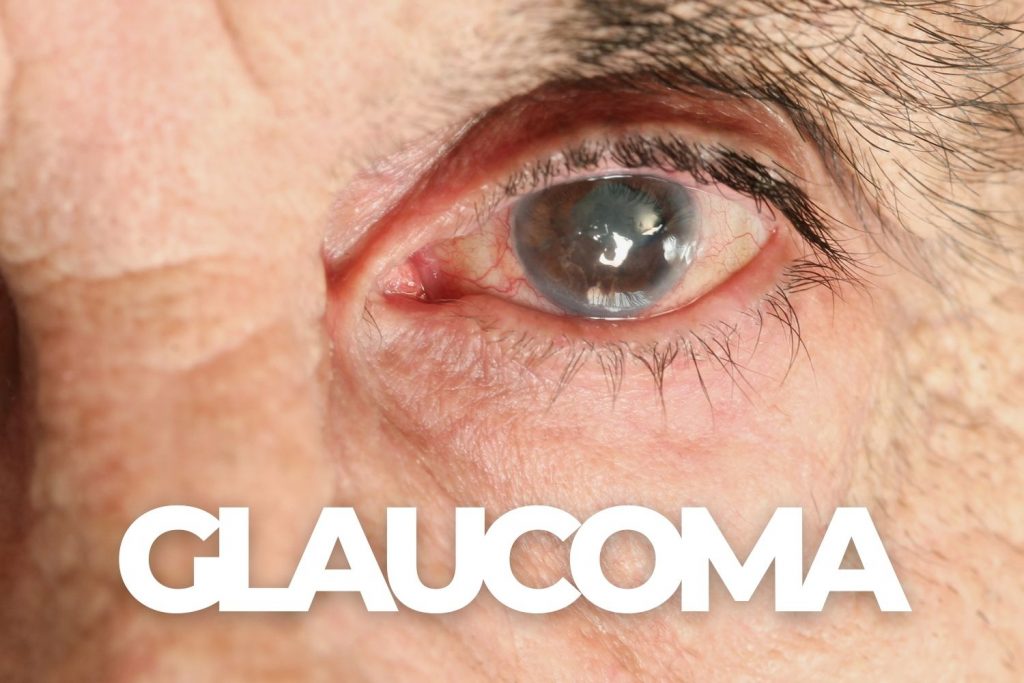
early signs of glaucoma

Glaucoma Symptoms: What Are the First Signs

When it comes to eye health, one of the most commonly searched questions on the web is, “What is the first sign of glaucoma?” Other people may ask the internet what glaucoma symptoms are.

Glaucoma, unlike most diseases and conditions of the eye, is actually a group of diseases that gradually cause pressure to build in the eye. Over time, this increase in pressure affects the optic nerve and can result in permanent vision loss.  Glaucoma is also the leading cause of blindness in adults.

Unfortunately, the onset of vision loss resulting from glaucoma is often so gradual that the condition is not diagnosed until detected during an eye exam or until irreversible damage has already occurred.

According to recent estimates, more than 3 million people over the age of 40 in the United States are currently living with glaucoma. Because the condition is often asymptomatic, most people are not aware they have the disease.  

While there’s no cure for the condition, there are several effective treatment options to slow or prevent vision loss—if the first signs of glaucoma are discovered early.
Continue Reading
eye pain

7 Common Eye Pain Causes: What to Know

Whether it’s a speck of dust or dirt, pollen, or maybe an eyelash that’s causing your eye to tear up, nearly everyone in the world can relate to the misery associated with minor eye irritations or discomforts. With minor eye irritation, the good news is it generally subsides after using eye drops, rinsing your eye with water, or removing the offending object. But experiencing debilitating eye pain is another story, and one that can have a not-so-happy ending—especially if you are unaware of the signs and symptoms of the leading eye pain causes.

Continue Reading
corneal abrasion

Corneal Abrasions: How To Treat a Scratched Eye

You might think there’s nothing more annoying than having something in your eye that you just can’t seem to get out—until “that something” turns out to be a scratch in your eye.

A scratched eye, or a corneal abrasion, isn’t just one of the most annoying eye injuries, it’s also one of the most common. In fact, scratched corneas are so common they account for up to nearly 10 percent of all eye-related doctors’ visits, according to the American Family Physician.

What is a corneal abrasion?

A corneal abrasion is a scratch on the cornea, the clear, protective front portion of the eye that covers the iris (the colored part of your eye).

For many, it’s difficult to distinguish between having something in your eye or having a corneal abrasion. However, as you can imagine, unlike having something like dust or an eyelash in your eye, a scratched cornea can have a serious, long-term impact on your vision and eye health, especially if the cornea is scarred while healing. So, it’s very important for you to see your eye doctor immediately if you suspect you may have a corneal abrasion.

Continue Reading
Opthamalogists, optometrists, opticians

Optometrist, Ophthalmologist, & Optician: What’s the Difference?

Have you started to notice subtle changes in your vision? Maybe you need to squint a bit when reading or perhaps you notice more frequent headaches or even some hazy, double vision while driving. If anything sounds familiar, it might be time to schedule an eye exam. But who should you see? Should you schedule an appointment with an ophthalmologist, an optometrist, or an optician?

Whatever happened to the good ole eye doctor? If you are struggling to choose the right type of specialist to visit when you are experiencing an issue with your vision, you’re not alone. Many people are confused when it comes to understanding the difference between ophthalmologists, optometrists, and opticians.

Ophthalmologists, optometrists, and opticians are all eye care professionals with a specific role in helping diagnose, treat, and care for your eyes. However, where the specialties differ is the level of training specifically required for the services provided by each type of provider.

Continue Reading
Gender - eye health

Yes, Women Have More Eye Health Issues

When it comes down to simple biology, genders differ. Some differences make sense and some make you wonder.

One of the strange differences between men and women is that women tend to be at a higher risk for developing vision problems.

In fact, women aren’t just a little more likely to experience eye issues, they are nearly twice as likely as men to develop eye health issues. 

You might ask yourself how that can be possible? How can the health of your eyes differ just based on gender? It’s a question deserving of a deeper dive.

Continue Reading
Scroll to Top