

When the weather heats up, there’s nothing better than going for a refreshing dip in the pool! But wait… if you’re wearing contacts, let’s hit pause for a bit. Can you swim with contacts?
Let’s dive deep into this question and see what’s going on.
Where Are You Swimming?
First, let’s talk about where you’re going to swim. Different bodies of water mean a variety of risk exposures for your eyes.
Pools
Pools are treated with chlorine, so it is relatively safer infection-wise than natural bodies of water. Of course, pools are still not completely sterile.
Hot Tubs/Spas
The heat, steam, and chlorine concentration of hot tubs and spas are ingredients for eye irritation and risks of infection.
Lakes, Rivers, and Oceans
While natural bodies of water are some of the best places to swim, realize that you’re also swimming in a sea of pathogens and contaminants. You shouldn’t be there with your contacts in.
Know the Risks
Infection
This is perhaps the most serious of all risks. You could get an infection just by wading in water with contact lenses in your eyes.

Water—from the tap, pools, oceans, and freshwater like lakes and rivers—is teeming with microorganisms. It is filled with parasites, fungi, and bacteria.
In some cases, these water sources may be treated for safety. For instance, the tap water you shower with at the clubhouse after a swim undergoes a treatment process before reaching your faucet, ensuring it complies with US EPA (Environmental Protection Agency) safety standards.
Likewise, pools are treated with chlorine to prevent waterborne diseases. However, this does not mean they’re completely sterile. They’re just less risky than untreated water, such as freshwater and the ocean.
Natural bodies of water are the worst in terms of risks. Take a dip in these waters with your contacts in, and you could expose yourself to harmful microorganisms, such as Acanthamoeba. Acanthamoeba keratitis is a severe eye disease that can cause blindness.
So, regardless of where you swim, remember that pathogens can get trapped under your contact lenses, and this can lead to serious infections.
Irritation
At the very least, you will experience some irritation when you get in the water with your contacts in. Have you ever had ocean water in your eyes? (I have!) It’s not a pleasant feeling. It’s the same when you swim in chlorine-treated pools or soak in hot tubs and spas.
Exposure can make your eyes redden, dry up, and feel uncomfortable.
Lens Damage or Loss
If you’re swimming in rough conditions, water can cause friction against your lenses, enough to damage or dislodge them. You will need a new pair if this happens. You also deal with potential scratches on your cornea.
Can You Swim With Contacts?
So, can you swim with contacts? No, you can’t. There are inherent risks that make the whole fun in the sun bit just not worth it.
But don’t fret. This doesn’t mean you need to miss out on swimming! It’s a great all-season sport. And there are always options.
Take Your Contacts Out
The easiest solution: Take your contact lenses out. Water makes things appear closer anyway, so if you’ve got mild nearsightedness, you’re good. You can still enjoy your dip and not feel compromised.
Of course, make sure to wash your hands thoroughly before taking your contacts out. Soak and store them in a clean contact lens case.
Wear Swimming Goggles
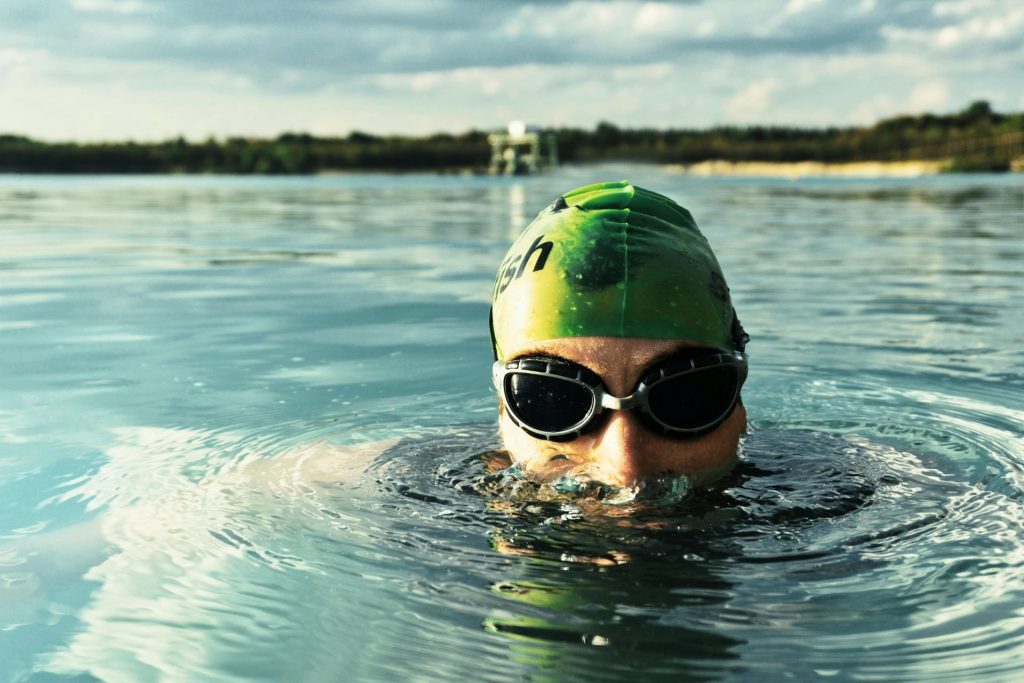
You can also wear swimming goggles or a diving mask. This gives you the needed barrier between your eyes and the water.
Make sure your goggles or mask fits your face and comfortably seals your eyes. It’s also a good idea to defog your swimming eyewear before getting in the water. Use a defogging solution or DIY it using mild shampoo or toothpaste.
Get Prescription Goggles
For only a little investment, you can find prescription goggles at eyewear shops like EZContacts.
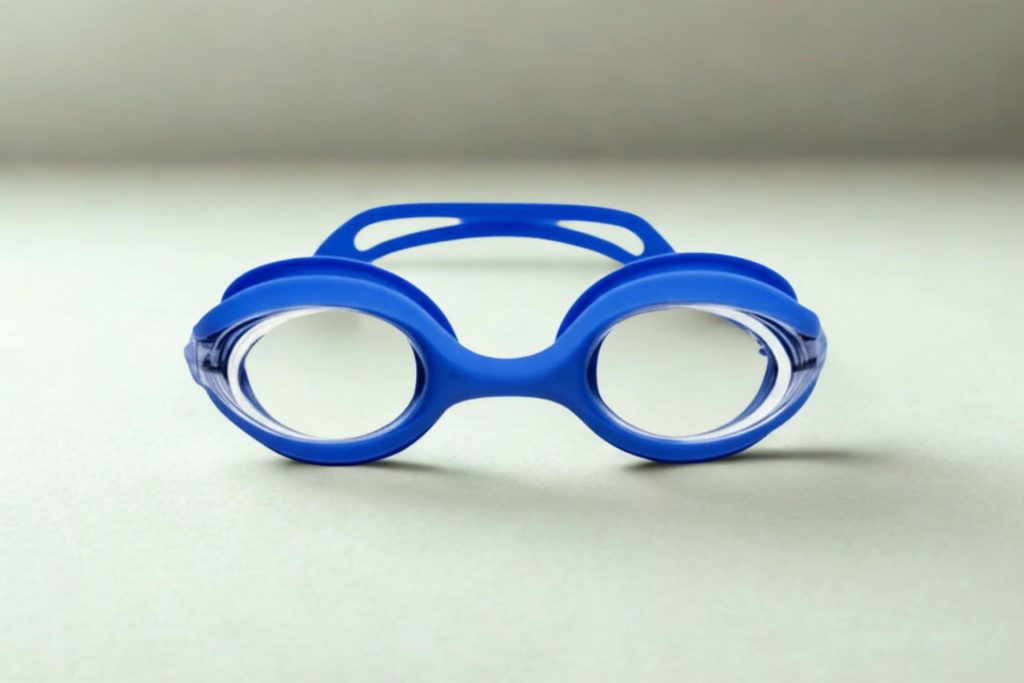
Take a look at Splaqua RX Affordable Prescription Swim Goggles. For less than $30, you won’t need your contact lenses to see clearly when you swim. These prescription goggles are designed for nearsighted people with corrective needs from -1.50 to -7.50.
The advantages of goggles with prescriptions are clear:
- You enjoy an uncompromised, clear view while swimming.
- You don’t expose your contact lenses to contaminants. They’re safely stored in their case or protected by your goggles!
- You protect your eyes from water-borne contaminants. Just make sure your goggles fit comfortably on your face.
I Swam With My Contacts—What Now?

Forgot you were wearing contacts and jumped into the water? Take these steps to make sure you’re safe:
Remove Your Contacts
As soon as you get out of the water, take your contacts out. Make sure to wash your hands first. This way, you prevent any contaminants from staying on your lenses or getting trapped against your eyes.
Clean and Disinfect Your Contacts
Clean your lenses and then soak them in a contact lens solution for a minimum of 24 hours. A contact lens solution is formulated to disinfect lenses. This will help kill any lingering pathogens or bacteria.
Rinse Your Eyes
After exposure and before you rewear contacts, make sure to rinse your eyes using artificial tears or a sterile saline solution. This flushes out any irritants and reduces any discomfort or irritation.
Use a New Pair of Contacts
If you have an extra pair of lenses, it is a good idea to just ditch your old pathogen-exposed contacts.
Watch Out for Symptoms
Monitor for symptoms that come from exposing your eyes to harmful microorganisms. Watch out for redness, pain, or blurred vision. If you experience any of this, consult your eye doctor immediately.
TL;DR Summary
- Can you swim with contacts? Generally, the answer is no. You expose your eyes to harmful microorganisms and pathogens when you swim with your contacts in.
- Different bodies of water have varying levels of risk. Risks include: infection, irritation, and lens damage/loss.
- Consider the easy alternatives to just wearing contacts: take them off, wear goggles/a diving mask, or buy prescription goggles.
- If you swam with your contacts, remove and disinfect them immediately after. Monitor for symptoms of infection.

