Tag:

Optometry

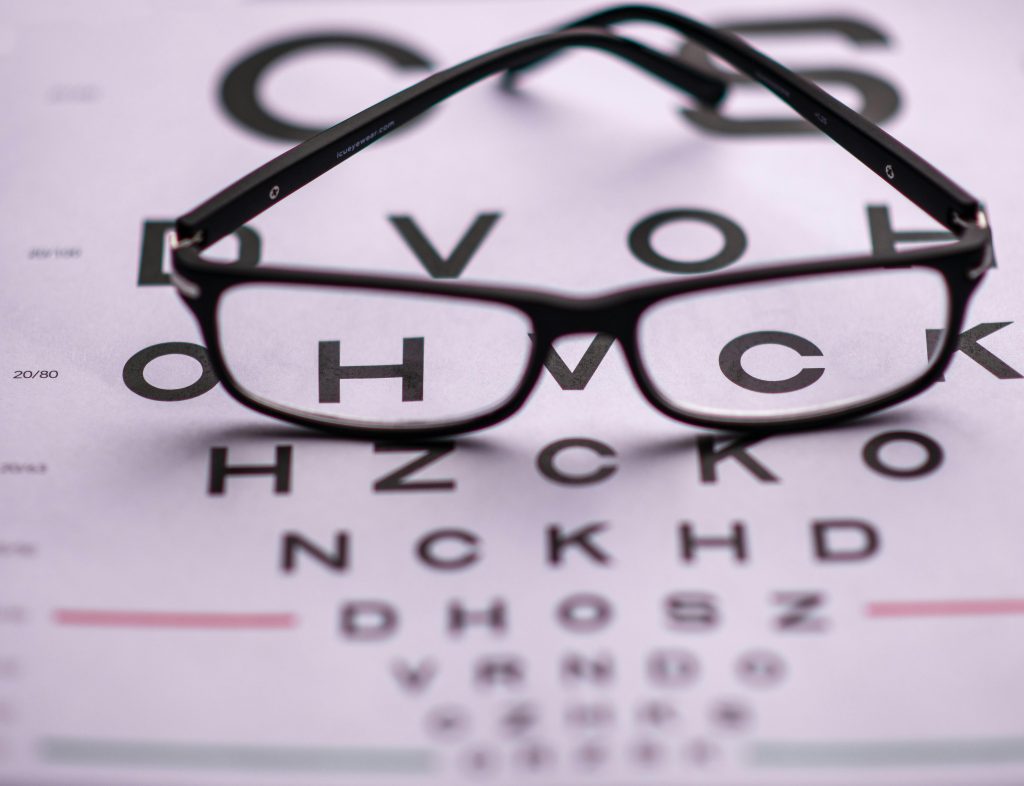
A pair of eyeglasses on a vision testing chart

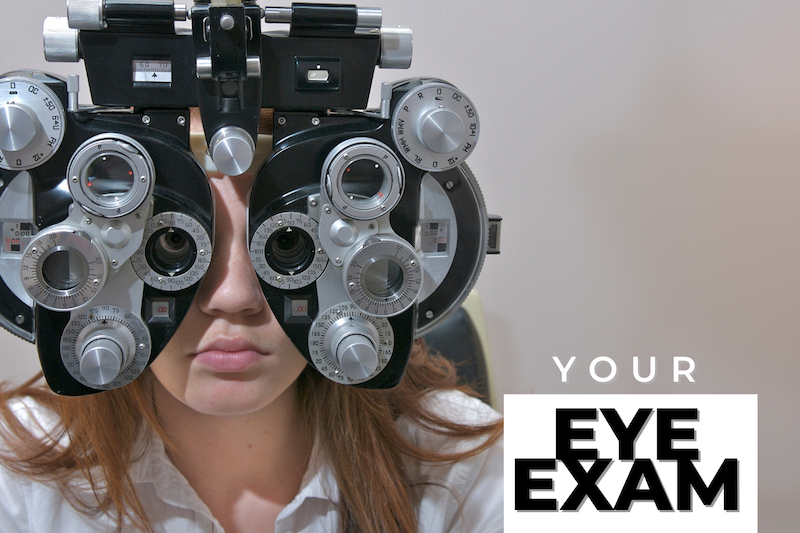
How Long Does an Eye Exam Take? What You Should Know

3,157 total views, 0 today

Routine eye exams help keep your eyes healthy and your vision in focus. If scheduling an appointment has been on your to-do list, but you’ve been wondering, “How long does an eye exam take?” you’ve come to the right place!

In this article, I break down each step of the process, explain standard and optional tests, and offer a few tips to make the experience easier.

Continue Reading
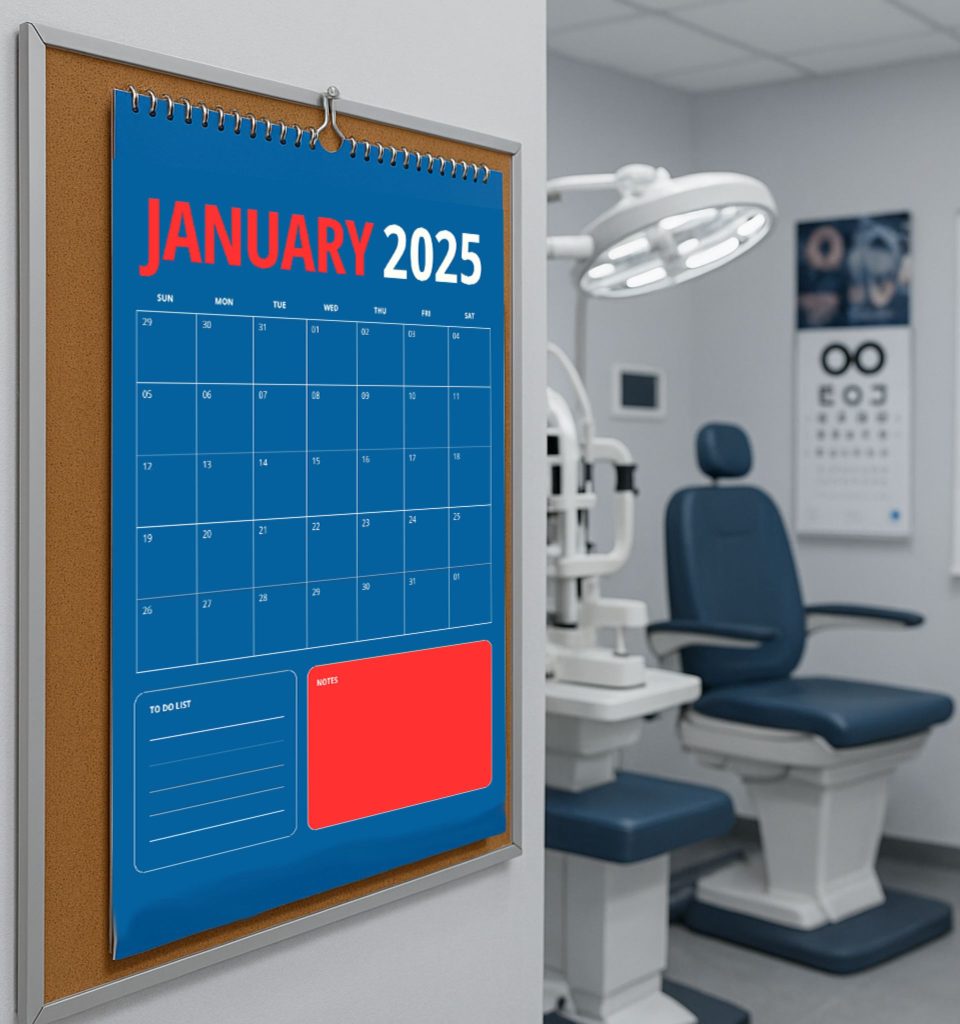
A calendar hangs on the wall of an ophthalmology exam room

Ophthalmology Calendar: 2025 Eye Health and Vision Care Events

2,929 total views, 0 today

Our eyes are worth celebrating! The American Academy of Ophthalmology (AAO) and the American Society of Ophthalmic Trauma (ASOT) designate specific dates each year to remind us to show our eyes some love.

Let’s dive into 2025’s eye health and vision care calendar so you can decide the best ways to observe these special days!

Continue Reading
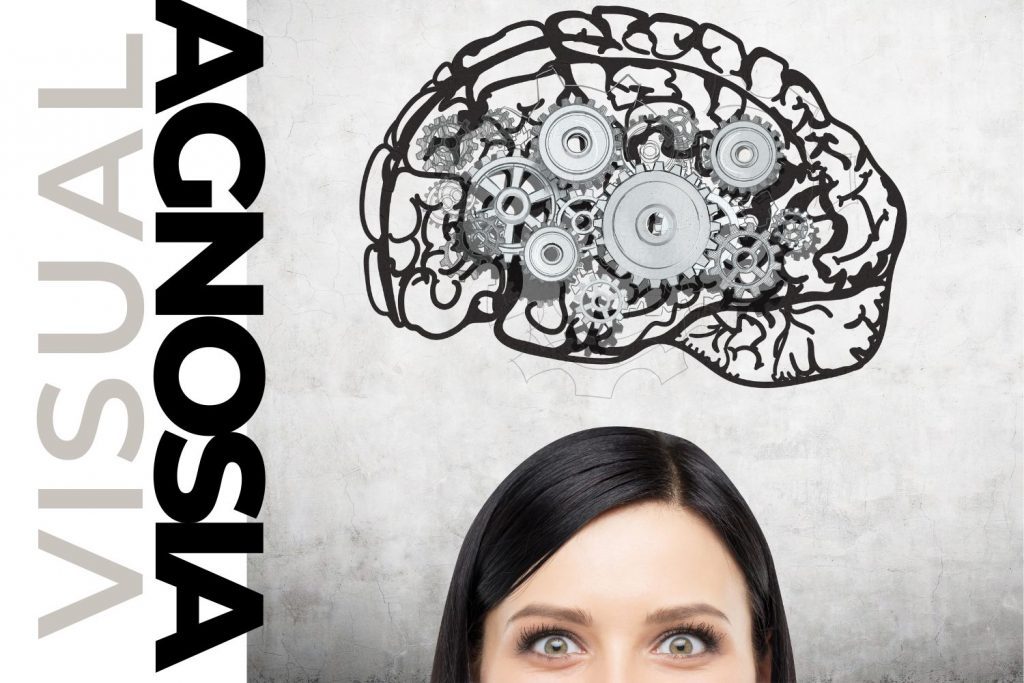
visual agnocia

What Is Visual Agnosia? How It Happens and How to Treat It

3,261 total views, 0 today

Agnosia is a rare condition that affects the senses. Imagine smelling a rose and not being able to place the smell. Imagine eating mom’s chocolate chip cookies, but finding out you don’t recognize the taste. 

While it’s likely you know someone who temporarily lost his or her sense of smell or taste as a result of Covid, it seems almost impossible for someone to no longer be able to look at a common object, word, or even face, and be unable to tell what or who it is. However, that’s exactly what happens when someone is afflicted by a rare condition known as visual agnosia.

Defining visual agnosia

According to the United Brain Association, agnosia is a communication disorder that disrupts and impairs the brain’s ability to process sensory cues, most commonly visual and auditory cues.

Visual agnosia specifically disrupts your brain’s ability to process and understand what you are seeing with your eyes. In other words, your eyes are working correctly and as they normally would, but your brain is not.

As the medical community learns more about visual agnosia, they have come to understand there are actually several different types of the condition, including types that specifically affect your ability to recognize common objects (akinetopsia), words (alexia), colors (achromatopsia), and even familiar faces (prosopagnosia).

Continue Reading
common refractive errors

Nearsighted vs. Farsighted: Treating Common Refractive Errors

3,315 total views, 0 today

Roughly 194 million Americans and over 1.4 billion people worldwide wear glasses or contact lenses, according to The Vision Council. It’s estimated 75% of adults currently require, or will require, vision correction at some point in their lives.

While there are a number of reasons people wear glasses, most often it is to correct what is known as a refractive error. The National Eye Institute defines a refractive error as a vision issue that occurs as a result of changes in the shape of your eye that prevents light from correctly focusing on the retina. As a result, images often become blurred, distorted, and out of focus while also contributing to physical discomforts including headaches, double vision, and eye strain.

Continue Reading
Scroll to Top