Tag:

Eye Health

heterochromia

Heterochromia: The Mystery of Different Colored Eyes

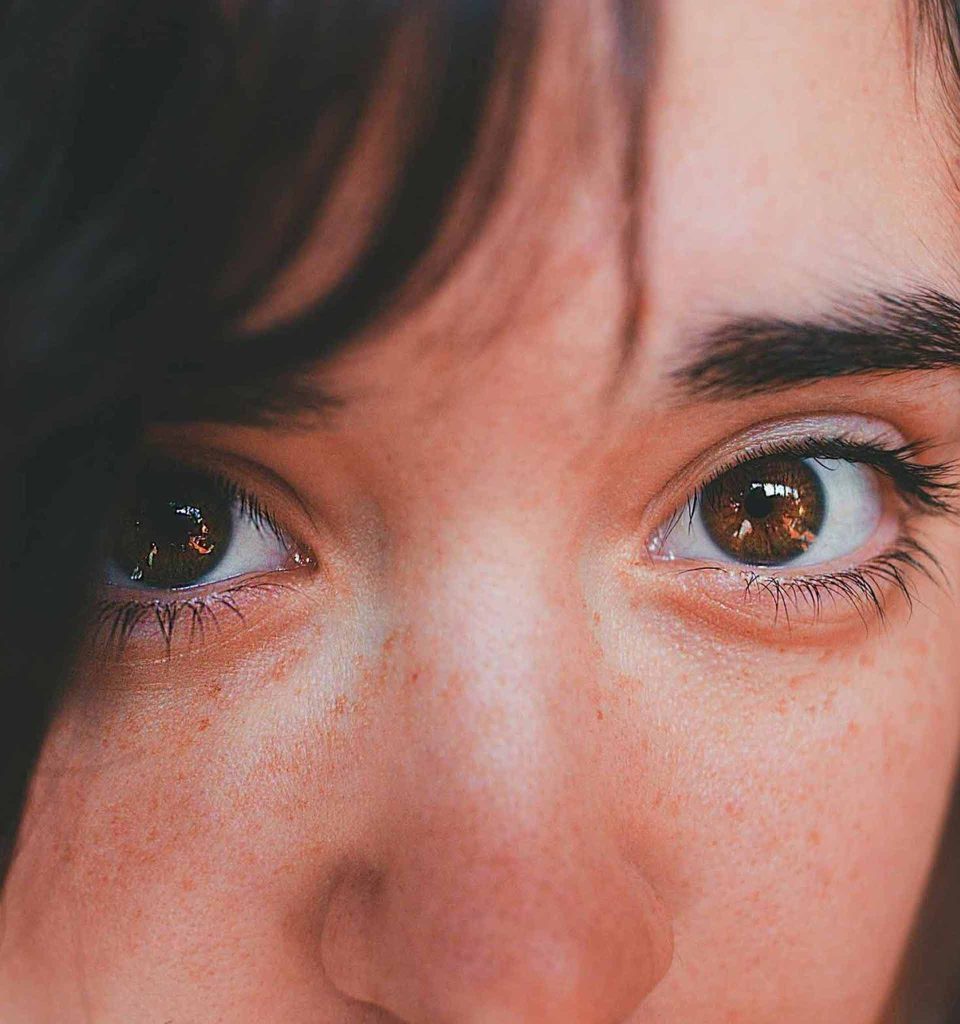
The human eye is a fascinating organ that comes in all different shapes, sizes, and colors. While we are used to seeing a variety of browns, blues, and greens, occasionally you will meet someone with heterochromia, or eyes that are different colors.

Derived from the Greek words “heteros” meaning different and “chroma” meaning color, heterochromia is a fascinating condition characterized by a person having irises of different colors or variations in the pigmentation within a single iris. While it may seem rare, heterochromia is more common than you might think, and occurs in both humans and animals. 

This article takes a deeper look into the specifics of heterochromia, exploring its types, causes, prevalence, related health conditions, associated myths, and the cultural implications it carries with it.

Continue Reading
Eclipse 2024

The Great North American Eclipse: Your Guide to Safe Viewing

On April 8th, 2024, North America will witness an awe-inspiring celestial event: the Great North American Eclipse. A total solar eclipse, the moon will completely block the sun. It won’t happen again for more than 20 years.

You’ll want to see it if you can, but of course, you need to keep your eyes safe. So, in this article, we’ll delve into the details of the eclipse, its path across North America, and also provide essential information on how to observe it safely.

Continue Reading
Eye infections

Eye Infections: The Difference Between Eye Colds and Pink Eye

Eye infections are common ailments that many of us experience at some point in our lives. In fact, eye infections are so common that each year, an estimated 1 million Americans make visits to their doctor specifically for eye-related infections.

While commonly referred to as eye infections, two terms related to the condition that are often used interchangeably are “eye colds” and “pink eye.” While both conditions affect the eyes, they are very different in their causes, symptoms, and treatments. 

Continue Reading
sleeping in contacts

Sleeping With Contacts: What Are the Risks?

Contact lens wearers, brace yourself for a potentially painful read. See, your eye doctor will warn you against sleeping with contacts, but nearly one-third of contact lens users have done so.

What happens?

When you wake up, your eyes feel dry, and your lenses must be peeled off your cornea. If you sleep in them just once, you may be okay, but everyone’s affected differently.

Understand this: sleeping with contacts long-term can result in serious complications.

Continue Reading
Blue zone eye health

The Blue Zone Advantage: Taking Steps Toward Long-Term Eye Health

Researchers have long been fascinated by the inhabitants of Blue Zones, the various regions around the world known for having populations with exceptionally long lifespans. People living in Blue Zones typically live the longest lives of anyone in the world, consistently reaching age 100. In contrast, the average life expectancy in the U.S. is currently just over 76 years.

One of the most intriguing, but often overlooked, health aspects is the remarkably better eyesight observed in residents of these Blue Zone communities. From Okinawa, Japan, to Sardinia, Italy, and Nicoya, Costa Rica, individuals in Blue Zones seem to defy the aging process—especially when it comes to their vision and the overall health of their eyes.

There are a number of factors contributing to the superior eyesight of those living in these Blue Zones and also a number of important lessons we can learn from their lifestyle choices.

Continue Reading
Scroll to Top