Category:

SEE WELL

Vision and learning

The Impact of Vision Issues on Learning

2,729 total views, 0 today

Eyesight allows us to perceive information, process it, and make sense of our surroundings. Consequently, any impairment in vision can significantly affect an individual’s ability to learn and acquire knowledge.

Considering this, it’s important to understand the many ways that vision issues can impact learning, the developmental stages affected, the consequences on academic performance, and potential interventions to mitigate these challenges.

Continue Reading
optic neuritis

What is Optic Neuritis: Signs and Symptoms of This Condition

2,720 total views, 0 today

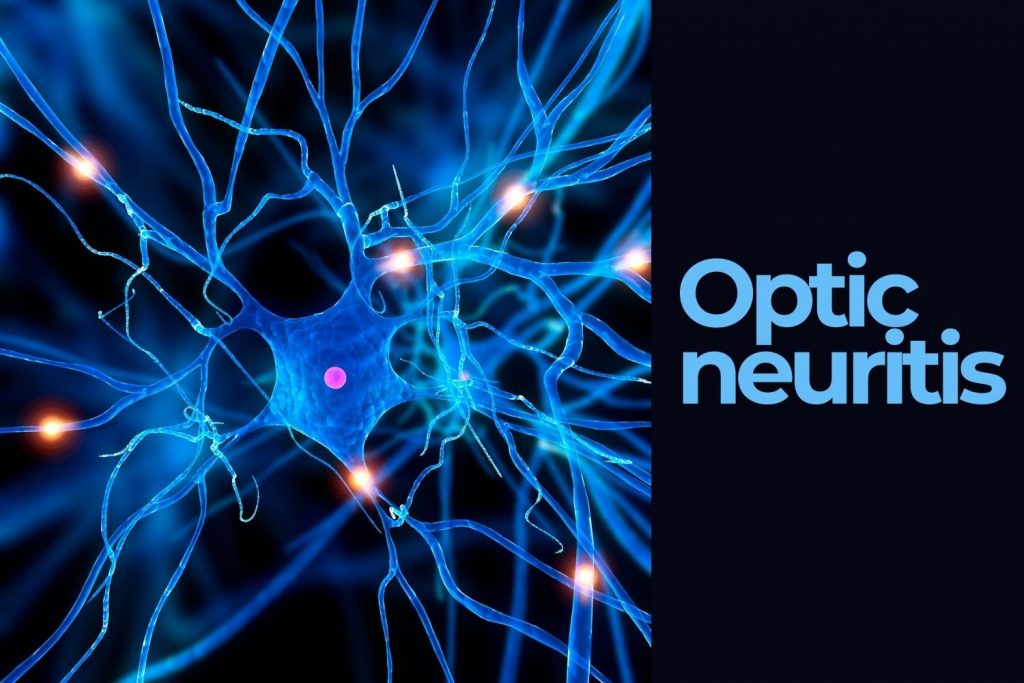
Optic neuritis is an ocular sign of central nervous system (CNS) inflammation. The CNS is composed of the brain and spinal cord.

Specifically, optic neuritis is inflammation of the optic nerve. Inflammation is the process in the body where white blood vessels and chemical messengers are sent to an area of the body to initiate the healing process or to attack a foreign body. The optic nerve can become inflamed due to autoimmunity, infection, granulomatous diseases, tumor disorders, and demyelination.

The CNS system sends signals from the brain to the other parts of the body through nerves. Nerves tell the parts of the body what to do. Myelin is an insulation that wraps around the axon part of the nerve to speed nerve activity and signal conduction. Myelin is produced by a type of CNS cell called an oligodendrocyte. Attacks of demyelination can occur in parts of the brain, the spinal cord, and the optic nerve.

Continue Reading
view a solar eclipse

How to Safely View a Solar Eclipse

2,766 total views, 0 today

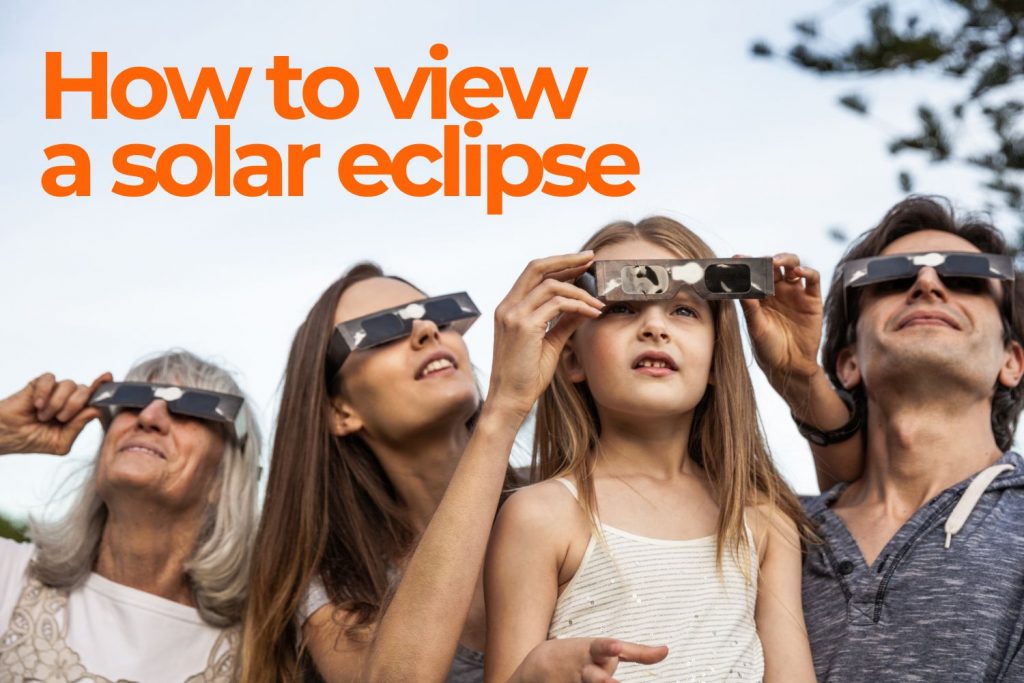
A solar eclipse is a remarkable celestial event that captivates people all over the world. An eclipse like the one occurring on Thursday, October 14, 2023, is even more exciting because of its potential to create the appearance of a giant “Ring of Fire” in the sky!

While solar eclipses are awe-inspiring and offer a unique opportunity to witness a rare cosmic event, it’s crucial to remember that looking directly at the sun, even during an eclipse, can be extremely harmful to your eyes.

This post explores the science behind a solar eclipse, the vision risks of improper viewing, and most importantly, how to safely observe this breathtaking phenomenon.

Continue Reading
Alzheimer's and the eye

The Link Between Alzheimer’s Disease and the Eyes

2,634 total views, 0 today

Alzheimer’s disease (AD) is the most common cause of dementia, an acquired progressive brain disorder. Currently, it is estimated that 44 million worldwide live with dementia, but the number is expected to triple by 2050 with an aging population. Memory loss and cognitive impairment from Alzheimer’s can interfere with one’s daily living.

Alzheimer’s disease is thought to be caused by an abnormal buildup of proteins in the brain. The initial damage occurs in the entorhinal cortex and hippocampus parts of the brain which are involved in memory.

Later into the disease process, the cerebral cortex becomes affected, which is responsible for language, reasoning, and social behavior. Eventually, other parts of the brain become damaged. Patients may have trouble finding the right words, have vision/spatial issues, and impaired reasoning or judgment in the early stages of the disease. As the disease progresses, those with AD may also have changes in their behavior or personality.

AD patients develop abnormal protein clumps (amyloid plaques) and tangled bundles of fibers (Tau) in the brain. Another finding in Alzheimer’s disease is the loss of connections between nerve cells (neurons) in the brain. Neurons transmit messages between parts of the brain, and from the brain to other parts of the body.


Continue Reading
Scroll to Top