
Author:

Courtney Dryer

medicated contact lenses

A Look at the Development of Medicated Contact Lenses

3,276 total views, 2 today

Besides correcting vision, contact lenses may be potential treatment devices to relieve eye pain, help the cornea to heal from injury, protect and hydrate the surface of the cornea from dry eye disease, and deliver medications to the eye.

Many ocular conditions like allergic conjunctivitis, dry eye, and glaucoma are treated using eye drops. It is estimated that 95% of the active ingredient in the medication may be lost through tear drainage. Technological advancements have made it possible to use soft contact lenses to deliver a continuous release of medication over a duration of time to treat ocular conditions and disease.

The ability of the soft contact lens to absorb and release a drug is based on the contact lens material. Their potential as a treatment depends on the water content, the thickness of the lens, the molecular weight of the drug, the drug concentration, and the time it remains within the lens. 

Topical eye drops can be an inconvenient burden for patients. Delivering medication by way of a contact lens has many benefits and offers a glimpse into the future of treatment.

Let’s look at the potential benefits of using contact lenses to deliver medication to your eyes.
Continue Reading
vision and headaches

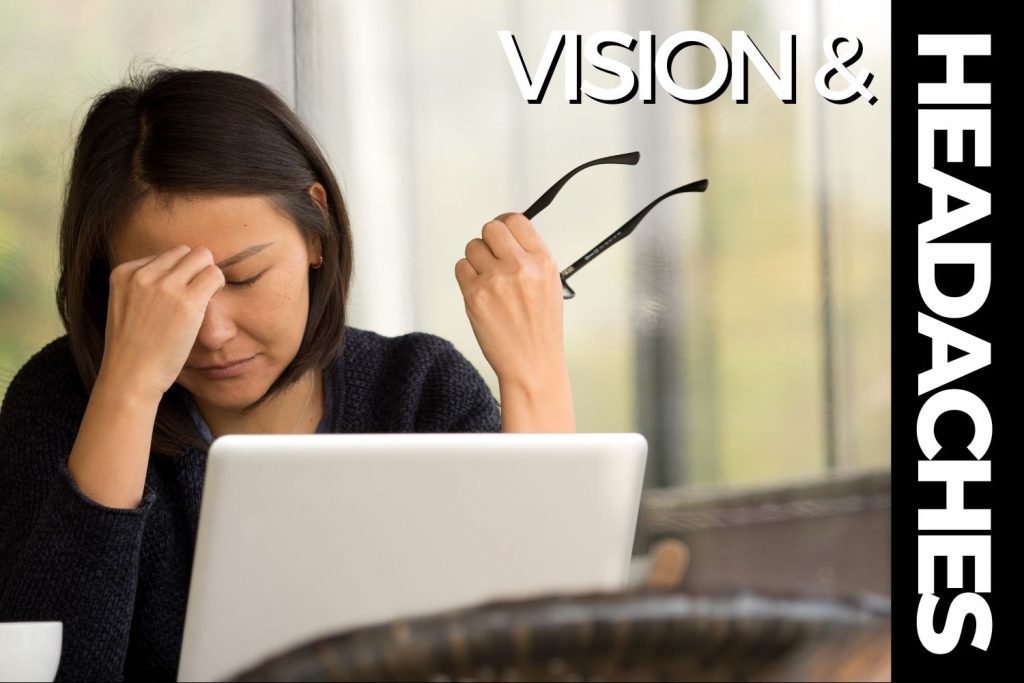
Blurry Vision and Headache: 8 Common Causes and Treatments

3,236 total views, 0 today

It’s often said the brain is an extension of the eye, and for that reason, a headache may be a symptom of a vision problem.  Headaches that are related to the eye can be of the forehead, temples, behind the eyes, and at the back of the skull. They may be excruciating or dull. They may or may not be alleviated by Tylenol or sleep. They may even present with blurred vision. If you are having blurry vision and headache, your eye doctor may ask you the following questions:

  • Where do your headaches occur?
  • Do you wake up with headaches? Do they worsen with near work?
  • How long does your vision stay blurry when you have the headache?
  • If you were to grade the severity of the headache on a 1-10 scale, what number would you give?

Here are the 8 most common reasons for blurry vision and headache, and how they are diagnosed and treated.

Continue Reading
dry eye remedies

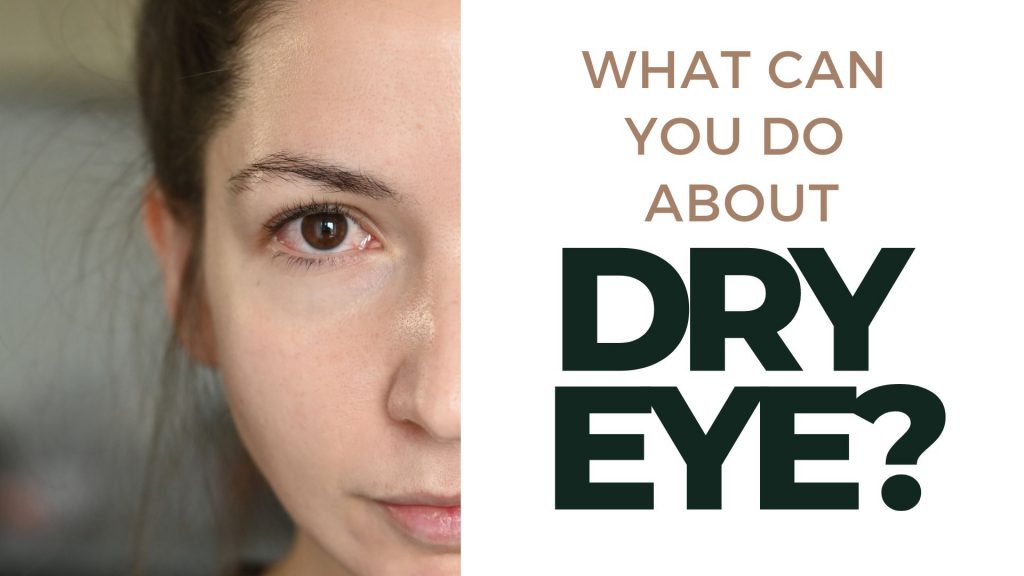
10 Helpful Tips for Dry Eye Symptoms

3,290 total views, 0 today

Approximately 16 million Americans have been diagnosed with dry eye, and millions more have symptoms but remain undiagnosed. Dry eye can result from inadequate tear production or poor tear quality. Symptoms include:

  • Watery eyes
  • Light sensitivity
  • Burning /gritty eyes
  • Blurred or fluctuating vision

Those over 65 and female are most likely to have symptoms. However, children are commonly diagnosed due to their significant digital device use. Once you have been diagnosed, it is important to understand that dry eye is a chronic condition that will always require treatment.

Your doctor will prescribe dry eye treatment tailored to your eyes, however, there are several lifestyle changes you can make to alleviate or improve your symptoms.

Continue Reading
depth perception

Is it Possible to Improve Your Depth Perception?

5,030 total views, 0 today

Depth perception is the ability to see in three dimensions: length, width, and depth and to judge how far away the object is located. Depth perception is only possible when we have good binocular vision which means the effective use of both eyes to view the world.

Our eyes view an object from slightly different angles and our brain compares and processes the two sets of information to form a single image. When both eyes see clearly and the brain can process a single image effectively, it is called stereopsis. Stereopsis is not present at birth but develops at 3-6 months of age.

An eye doctor may use one of many tests to check your depth perception. The most common test is called a vectograph and uses polarized 3D glasses. You may be asked to point out which animals, circles or forms are coming out of the page towards you.

Continue Reading
myopia in children

Myopia in Children: How to Treat and Manage This Condition

3,321 total views, 0 today

It’s that time of the year again… Time to stock up on pencils, wide-ruled notebook paper, and get your kids’ eyes checked. All kids should have their eyes checked at the beginning of each school year and prior to kindergarten. Many learning disabilities are diagnosed incorrectly and may in fact be vision problems. In particular, myopia in children is on the rise.

Estimates claim 20% of children have refractive errors and require either glasses or contact lenses to improve their vision. Myopia, hyperopia, and astigmatism are the most common refractive conditions. Additionally, lazy eye can be present in children and needs to be treated as soon as possible to prevent permanent vision loss.

Continue Reading
Scroll to Top