Tag:

Vision

Vision loss

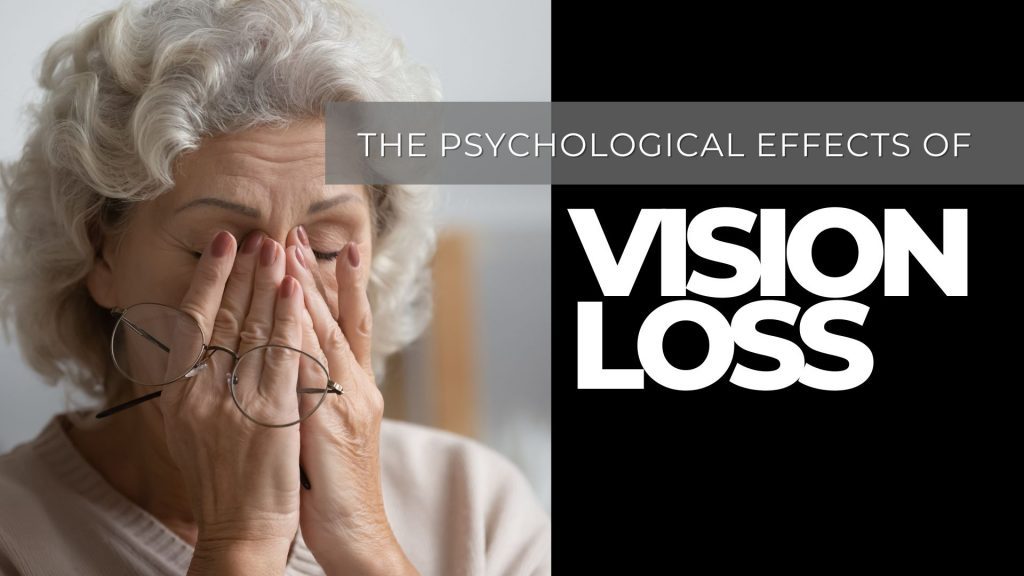
Dealing with the Psychological Effects of Vision Loss

More than 7 million Americans currently live with some form of vision loss. Another 94 million adults are at risk for serious vision loss, according to the CDC. Expanded globally, the number of people considered to be visually impaired is estimated to be over 2.2 billion

Considering that people are living longer, experts expect these numbers to increase in the coming years.

While vision loss and vision issues are expected to some degree, especially with age, it doesn’t mean everyone is willing—or able—to accept a change to how they see the world.

For most people, gradual changes in vision can be addressed with prescription eyeglasses or contact lenses.

On the other hand, vision changes—especially when they happen rapidly and are not able to be corrected with glasses or contacts—are often difficult to accept, and, for many, it takes a significant toll on their emotional and mental health.

Continue Reading
myopia in children

Myopia in Children: How to Treat and Manage This Condition

It’s that time of the year again… Time to stock up on pencils, wide-ruled notebook paper, and get your kids’ eyes checked. All kids should have their eyes checked at the beginning of each school year and prior to kindergarten. Many learning disabilities are diagnosed incorrectly and may in fact be vision problems. In particular, myopia in children is on the rise.

Estimates claim 20% of children have refractive errors and require either glasses or contact lenses to improve their vision. Myopia, hyperopia, and astigmatism are the most common refractive conditions. Additionally, lazy eye can be present in children and needs to be treated as soon as possible to prevent permanent vision loss.

Continue Reading
macular degeneration

Are You at Risk for Macular Degeneration?

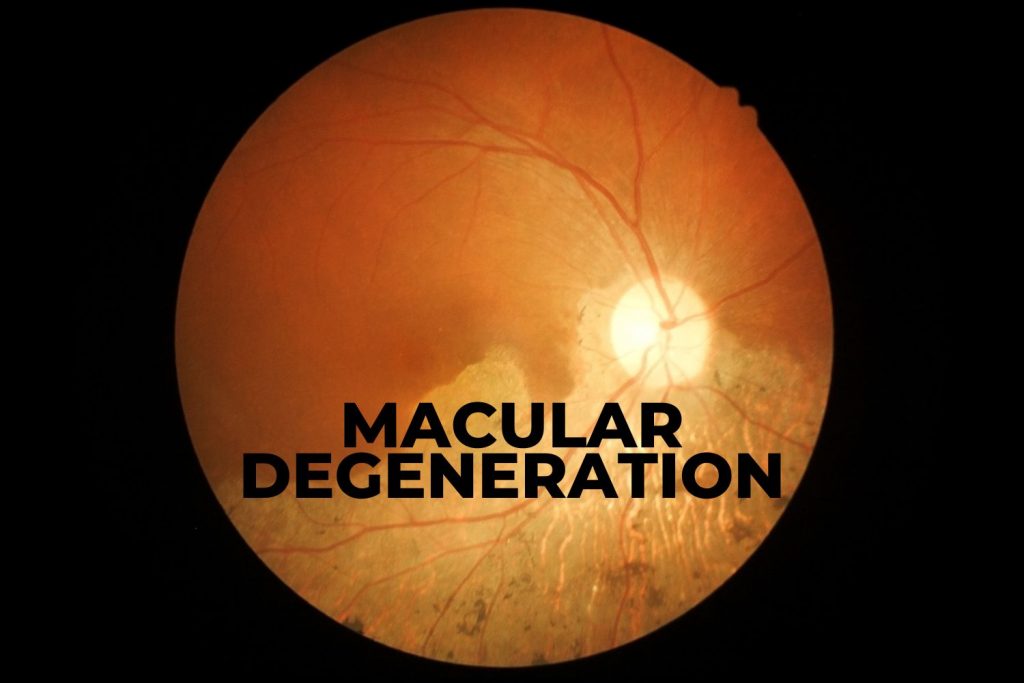
Age-related macular degeneration (ARMD) affects 10 million Americans each year. The number of cases is expected to rise as we are living longer.

  • How do you prevent getting macular degeneration?
  • If you have a family history of age-related macular degeneration, does that mean you will get it?
  • Is there anything you can do to improve my sight if I currently have ARMD?

More research and funding are being dedicated to this disease than ever before, yet there is still much we do not know. 

Continue Reading
polarized lenses

What Are Polarized Sunglasses? A Quick Guide

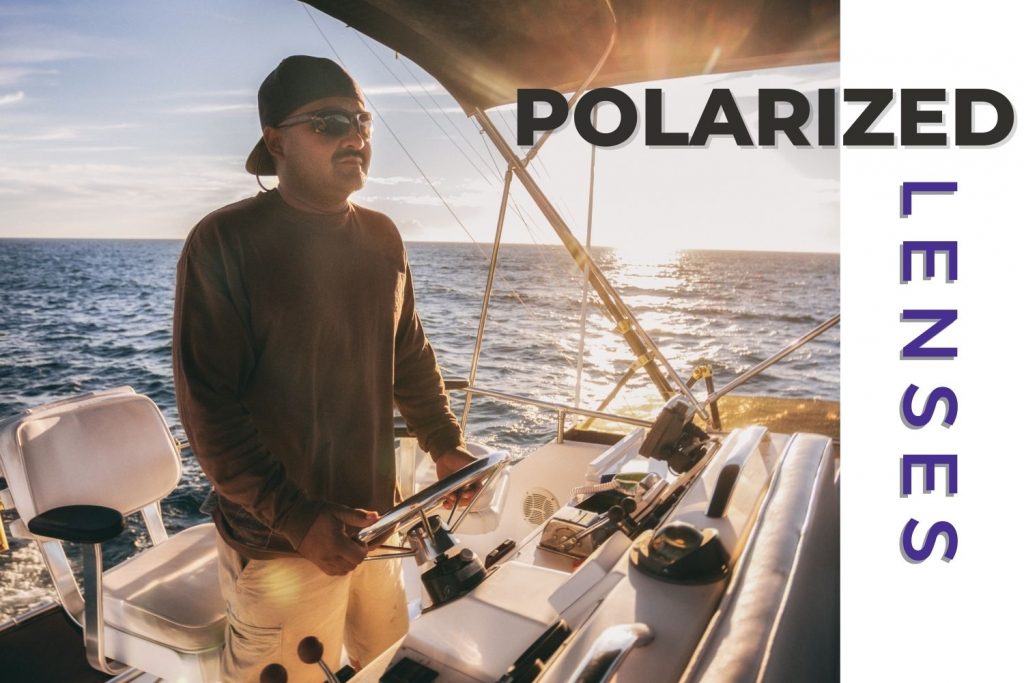
If you spend time outdoors, you probably understand just how beneficial a high-quality pair of polarized sunglasses is. But you may have some questions about them. You may wonder what are polarized sunglasses, how do they actually work, and do they actually protect your eyes?

Let’s take a look at polarized lenses to better understand how they work, their benefits and drawbacks, and whether or not they really provide an increased level of protection for your eyes.

Continue Reading
eye anatomy

Are Eyes Organs? A Step-by-Step Guide to How Eyes Work

Are eyes organs? It’s a question many people ask. Composed of many intricate parts, the eye bends light rays to stimulate nerve cells in the retina and, by way of the optic nerve, sends messages for interpretation by the brain. The brain uses the information from both optic nerves and combines it to create one clear image.

The connection between the eyes and brain is the reason for headaches when your vision changes and a loss of your peripheral vision due to stroke or tumor. If you’re interested in learning more about eye anatomy, this guide is for you. From are eyes organs to what are choroid and vitreous, we’re answering all your burning eye questions!

Continue Reading
Scroll to Top