Tag:

Vision

environment and eyesight

How Environmental Factors Affect Your Eyesight

Remember the classic song, When Smoke Gets In Your Eyes, by the Platters? While it’s true the occasional plume of smoke from a campfire wafting directly into your eyes never feels good, the discomfort is usually short-lived and typically relegated to minor irritation, stinging, and brief tearing up. 

Regardless, you never want to experience eye irritation from any outside, environmental factors – and there are certainly many more dangerous, damaging, and even surprising environmental factors than a puff of wood smoke to be aware of.

Continue Reading
depth perception

Is it Possible to Improve Your Depth Perception?

Depth perception is the ability to see in three dimensions: length, width, and depth and to judge how far away the object is located. Depth perception is only possible when we have good binocular vision which means the effective use of both eyes to view the world.

Our eyes view an object from slightly different angles and our brain compares and processes the two sets of information to form a single image. When both eyes see clearly and the brain can process a single image effectively, it is called stereopsis. Stereopsis is not present at birth but develops at 3-6 months of age.

An eye doctor may use one of many tests to check your depth perception. The most common test is called a vectograph and uses polarized 3D glasses. You may be asked to point out which animals, circles or forms are coming out of the page towards you.

Continue Reading
Vision loss

Dealing with the Psychological Effects of Vision Loss

More than 7 million Americans currently live with some form of vision loss. Another 94 million adults are at risk for serious vision loss, according to the CDC. Expanded globally, the number of people considered to be visually impaired is estimated to be over 2.2 billion

Considering that people are living longer, experts expect these numbers to increase in the coming years.

While vision loss and vision issues are expected to some degree, especially with age, it doesn’t mean everyone is willing—or able—to accept a change to how they see the world.

For most people, gradual changes in vision can be addressed with prescription eyeglasses or contact lenses.

On the other hand, vision changes—especially when they happen rapidly and are not able to be corrected with glasses or contacts—are often difficult to accept, and, for many, it takes a significant toll on their emotional and mental health.

Continue Reading
myopia in children

Myopia in Children: How to Treat and Manage This Condition

It’s that time of the year again… Time to stock up on pencils, wide-ruled notebook paper, and get your kids’ eyes checked. All kids should have their eyes checked at the beginning of each school year and prior to kindergarten. Many learning disabilities are diagnosed incorrectly and may in fact be vision problems. In particular, myopia in children is on the rise.

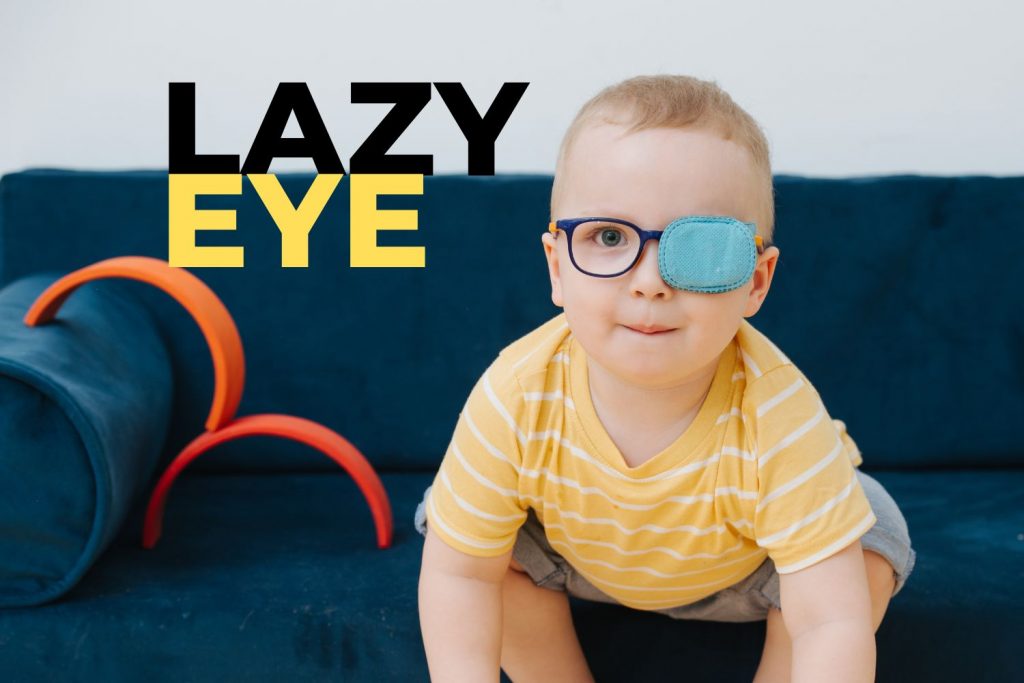
Estimates claim 20% of children have refractive errors and require either glasses or contact lenses to improve their vision. Myopia, hyperopia, and astigmatism are the most common refractive conditions. Additionally, lazy eye can be present in children and needs to be treated as soon as possible to prevent permanent vision loss.

Continue Reading
macular degeneration

Are You at Risk for Macular Degeneration?

Age-related macular degeneration (ARMD) affects 10 million Americans each year. The number of cases is expected to rise as we are living longer.

  • How do you prevent getting macular degeneration?
  • If you have a family history of age-related macular degeneration, does that mean you will get it?
  • Is there anything you can do to improve my sight if I currently have ARMD?

More research and funding are being dedicated to this disease than ever before, yet there is still much we do not know. 

Continue Reading
Scroll to Top