
Tag:

Toric Contacts

A woman’s eye reflected in a broken mirror.

Does Astigmatism Get Worse?

Have you noticed your vision is getting blurrier? Are you starting to wonder if your astigmatism is getting worse?

Unfortunately, this is a possibility. Astigmatism can get worse or change with time. Why and how? Let’s get into the details. 

The goal is to help you understand your eye condition and see if there are things you can do to prevent worsening astigmatism.

Continue Reading
Close-up of an eye’s curvature

Biofinity Contacts For Astigmatism: What You Need to Know

If you have astigmatism and really want contacts, you’ll be happy to know you no longer have to settle for glasses because of your eye condition. There are now several lens options for you! Biofinity contacts for astigmatism are among the most popular.

Biofinity is a brand of CooperVision, Inc., a leading California-based soft contact lens manufacturer since 1980. They offer several toric contact lens options to correct vision for people with astigmatism comfortably.

Interested? Read on to learn a few things you should know when considering these lenses.

Continue Reading
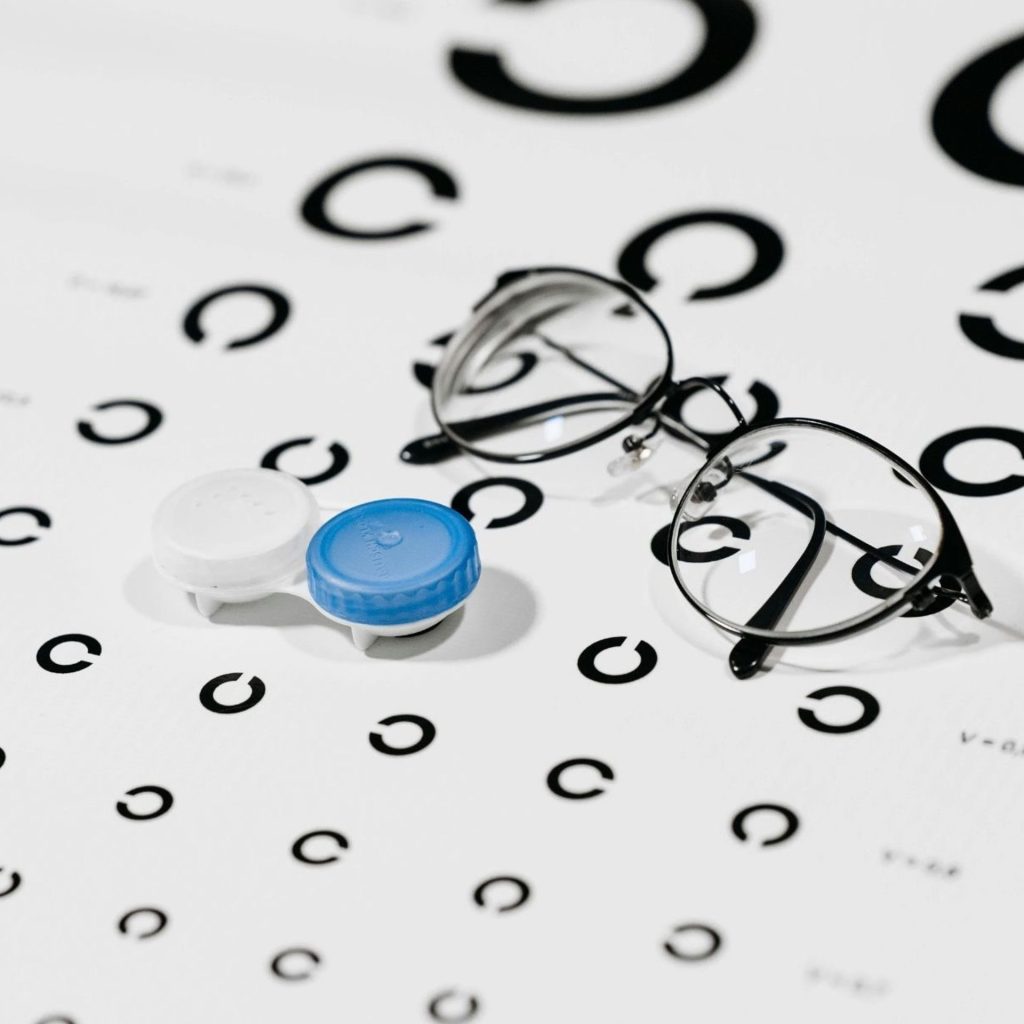
A contact lens case and eyeglasses on an astigmatism eye chart

Contact Lenses for Astigmatism: What To Know

Standard contacts can be problematic for people with astigmatism. If your vision is blurry and your lenses seem uncomfortable no matter how much you try to adjust them, you might need contact lenses for astigmatism.

An eye doctor can examine your eyes and prescribe the best eyewear for you. If contacts for astigmatism are the right choice, there are a few things to keep in mind when making the switch to these special lenses.

Continue Reading
ASTIGMATISM

What is Astigmatism?

Let’s start by clearing up the semantics. The eye issue that commonly causes blurry vision is called “astigmatism.” You do not have “a stigmatism.”

Astigmatism occurs when light enters the eye, and the cornea, the front cover of the eye, cannot properly focus the light on the retina, or the back of the eye. This can occur when the cornea is misshapen. As a result, light focuses on multiple points around, in front of, and behind the retina, causing blurry vision.

Almost everyone has astigmatism, however, for many, it has no effect on their vision and they do not need any sort of treatment. For many others, astigmatism happens in tandem with near—or far-sightedness—also known as myopia and hyperopia, respectively. If gone untreated, the results of astigmatism could be a lazy eye, headaches, and fatigue.

Continue Reading
Scroll to Top