Tag:

Contact Lenses

contact lense intolerance

Contact Lens Intolerance: What Can You Do?

If you’ve relied on contact lenses for an extended time, it’s possible to develop some form of contact lens intolerance.

As a teenager or college student, you may have contact lenses in for hours and hours and have no problems or discomfort. However, as you age, you may find it difficult to make it through an entire workday. What gives? Let’s take a look at the issue now known as contact lens intolerance.

Continue Reading
Multifocal contact lenses

Monovision vs Multifocal Contacts: Which Is Best for You?

When it comes to monovision vs multifocal contacts, which should you choose? It all depends on your eye needs. Multifocal contact lenses have different powers within a single lens to allow you to see at various distances. Typically, multifocal lenses allow the patient to see at distant, intermediate, and near ranges with the same lens.

Multifocal contact lenses are designed with a gradual transition between the powers and perform similarly to progressive addition lenses (PAL).  Multifocal lenses are available in soft and hard lens designs and different modalities, from daily to monthly options.

Continue Reading
save on store brand contacts

Save Money on Store Brand and Private Label Contact Lenses

You might get your contact lenses from America’s Best, Lenscrafters, Pearle Vision, Vision Source, Visionworks, Walmart, or other stores. You might also think it’s your only option. After all, your contact lens prescription designates the brand your optometrist selected for you. Well, we have some news for you, which is bound to save you money… […]

Continue Reading
medicated contact lenses

A Look at the Development of Medicated Contact Lenses

Besides correcting vision, contact lenses may be potential treatment devices to relieve eye pain, help the cornea to heal from injury, protect and hydrate the surface of the cornea from dry eye disease, and deliver medications to the eye.

Many ocular conditions like allergic conjunctivitis, dry eye, and glaucoma are treated using eye drops. It is estimated that 95% of the active ingredient in the medication may be lost through tear drainage. Technological advancements have made it possible to use soft contact lenses to deliver a continuous release of medication over a duration of time to treat ocular conditions and disease.

The ability of the soft contact lens to absorb and release a drug is based on the contact lens material. Their potential as a treatment depends on the water content, the thickness of the lens, the molecular weight of the drug, the drug concentration, and the time it remains within the lens. 

Topical eye drops can be an inconvenient burden for patients. Delivering medication by way of a contact lens has many benefits and offers a glimpse into the future of treatment.

Let’s look at the potential benefits of using contact lenses to deliver medication to your eyes.

Continue Reading
dry eye remedies

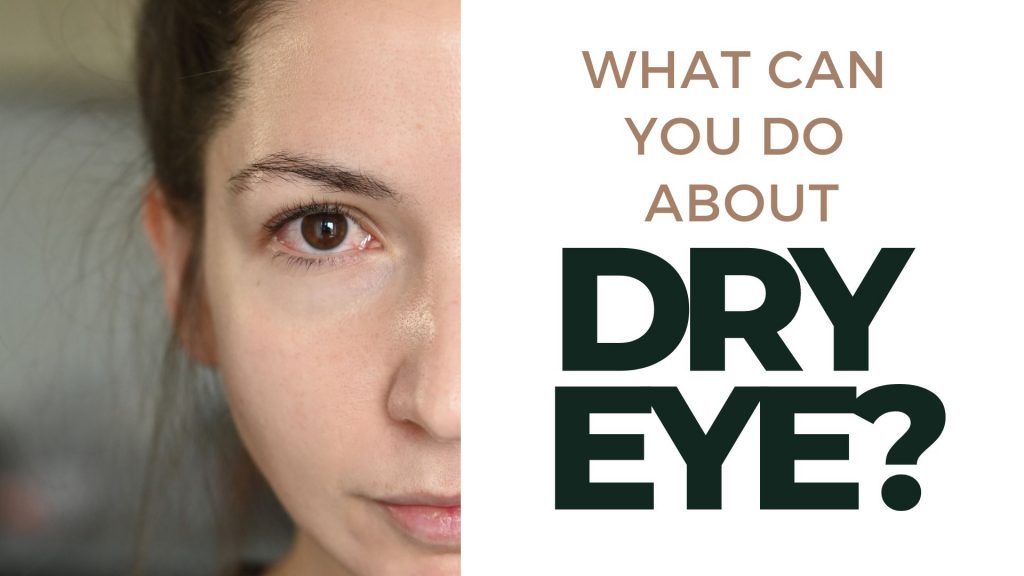
10 Helpful Tips for Dry Eye Symptoms

Approximately 16 million Americans have been diagnosed with dry eye, and millions more have symptoms but remain undiagnosed. Dry eye can result from inadequate tear production or poor tear quality. Symptoms include:

  • Watery eyes
  • Light sensitivity
  • Burning /gritty eyes
  • Blurred or fluctuating vision

Those over 65 and female are most likely to have symptoms. However, children are commonly diagnosed due to their significant digital device use. Once you have been diagnosed, it is important to understand that dry eye is a chronic condition that will always require treatment.

Your doctor will prescribe dry eye treatment tailored to your eyes, however, there are several lifestyle changes you can make to alleviate or improve your symptoms.

Continue Reading

Socialize With Us #EZONTHEEYES

Scroll to Top