Search results for:“contact lens care”
Vision loss

Dealing with the Psychological Effects of Vision Loss

More than 7 million Americans currently live with some form of vision loss. Another 94 million adults are at risk for serious vision loss, according to the CDC. Expanded globally, the number of people considered to be visually impaired is estimated to be over 2.2 billion

Considering that people are living longer, experts expect these numbers to increase in the coming years.

While vision loss and vision issues are expected to some degree, especially with age, it doesn’t mean everyone is willing—or able—to accept a change to how they see the world.

For most people, gradual changes in vision can be addressed with prescription eyeglasses or contact lenses.

On the other hand, vision changes—especially when they happen rapidly and are not able to be corrected with glasses or contacts—are often difficult to accept, and, for many, it takes a significant toll on their emotional and mental health.

Continue Reading
myopia in children

Myopia in Children: How to Treat and Manage This Condition

It’s that time of the year again… Time to stock up on pencils, wide-ruled notebook paper, and get your kids’ eyes checked. All kids should have their eyes checked at the beginning of each school year and prior to kindergarten. Many learning disabilities are diagnosed incorrectly and may in fact be vision problems. In particular, myopia in children is on the rise.

Estimates claim 20% of children have refractive errors and require either glasses or contact lenses to improve their vision. Myopia, hyperopia, and astigmatism are the most common refractive conditions. Additionally, lazy eye can be present in children and needs to be treated as soon as possible to prevent permanent vision loss.

Continue Reading
red eyes

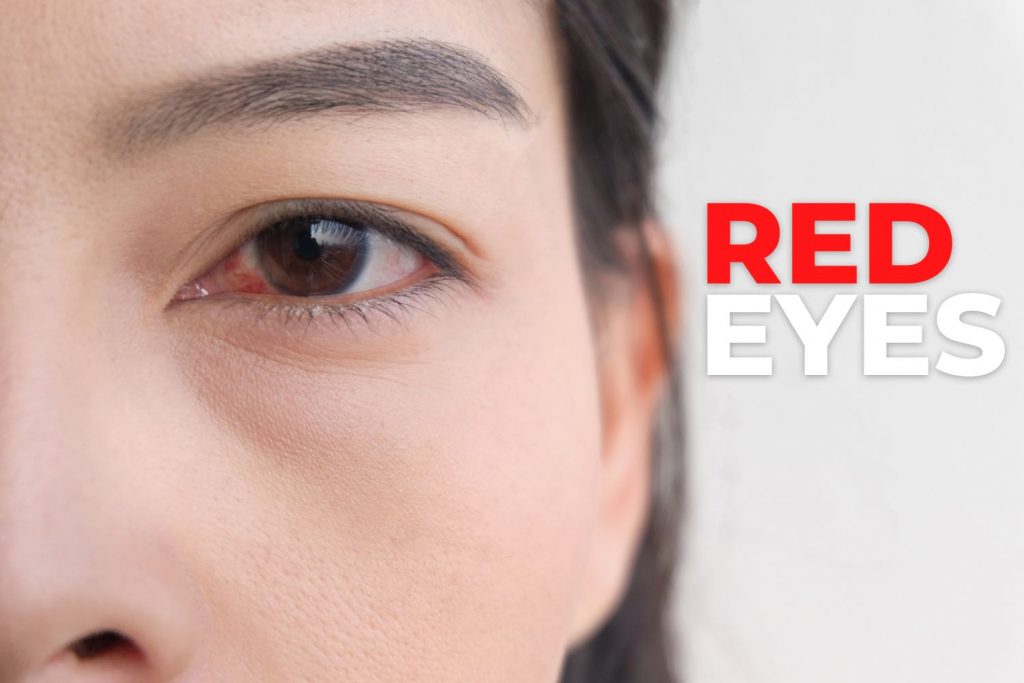
Red Eyes: The Top 10 Most Common Causes

The question, “Doc, why are my eyes always red?” is commonly asked of me by patients. Red eyes are screaming for attention and rarely improve on their own without proper treatment.

There are several reasons your eyes can be red, many of which can be serious and should be assessed and treated by an eye doctor. Though over-the-counter eye drops exist to “get the red out,” they are only a quick fix and only mask the true eye problem.

 Your doctor may ask you questions about your red eyes at your visit.

  • How long have you had red eyes?
  • Which symptoms are you experiencing? Severity? Pain?
  • How many hours do you spend on the computer?
  • Do you take any medications?
  • Do your eyes appear red all day or do they seem worse in the morning/evening?
  • What type of contacts do you wear and how long do you wear them?
  • Have you tried any medications or drops for treatment?
Continue Reading
swollen eyelids

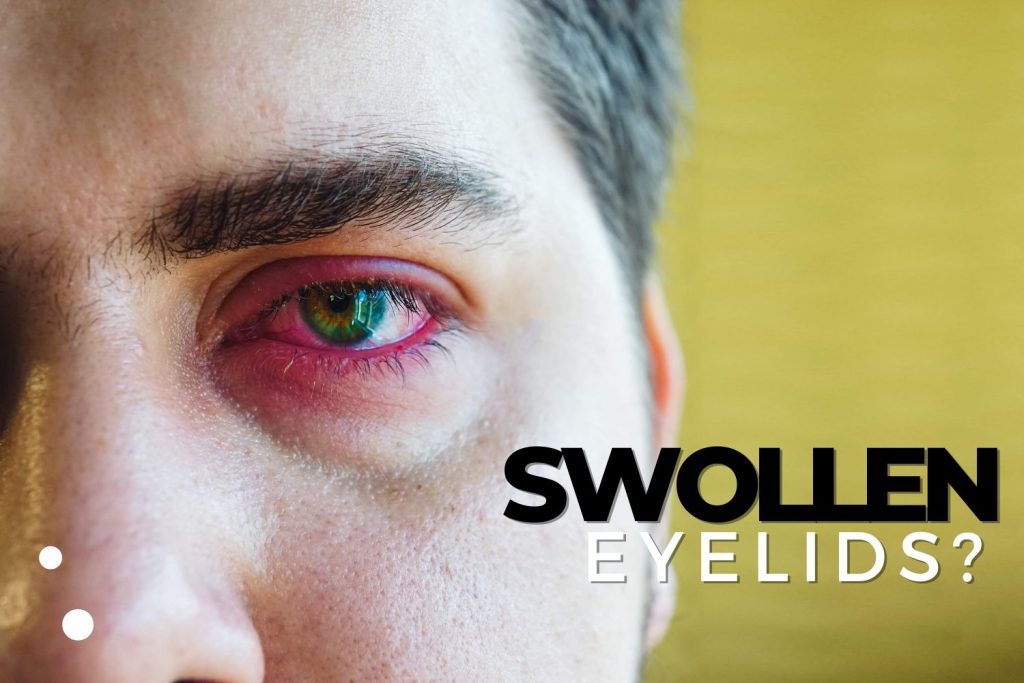
Swollen Eyelids: Top 9 Causes and What to Do

Tired of waking up with puffy or swollen eyelids? Often, the terms “puffy eyelid” and “swollen eyelid” are used interchangeably, but they are different.

While puffy eyelids may be a cosmetic nuisance, they are usually harmless and often the result of fluid retention overnight. Swollen eyelids are caused by an inflammatory response to an allergen, infection, or injury.

There are a number of common causes for swollen eyelids—some more serious than others.

Continue Reading
Scroll to Top